
My Cart
0 items
Genuine Automation Parts | Worldwide Express Delivery | 12-Month Warranty — [GET A QUOTE]

The YOKOGAWA CP461-10 S1, also cataloged as the CP461-10 Processor Module, operates as a dedicated hardware component for core control processing and communication automation within CENTUM CS3000 and CENTUM VP...
Availability: Low stock: 99 left
Reliable Worldwide Delivery
30-Day Money-Back Guarantee
Need more details? Read our fullShipping PolicyandRefund Policy.


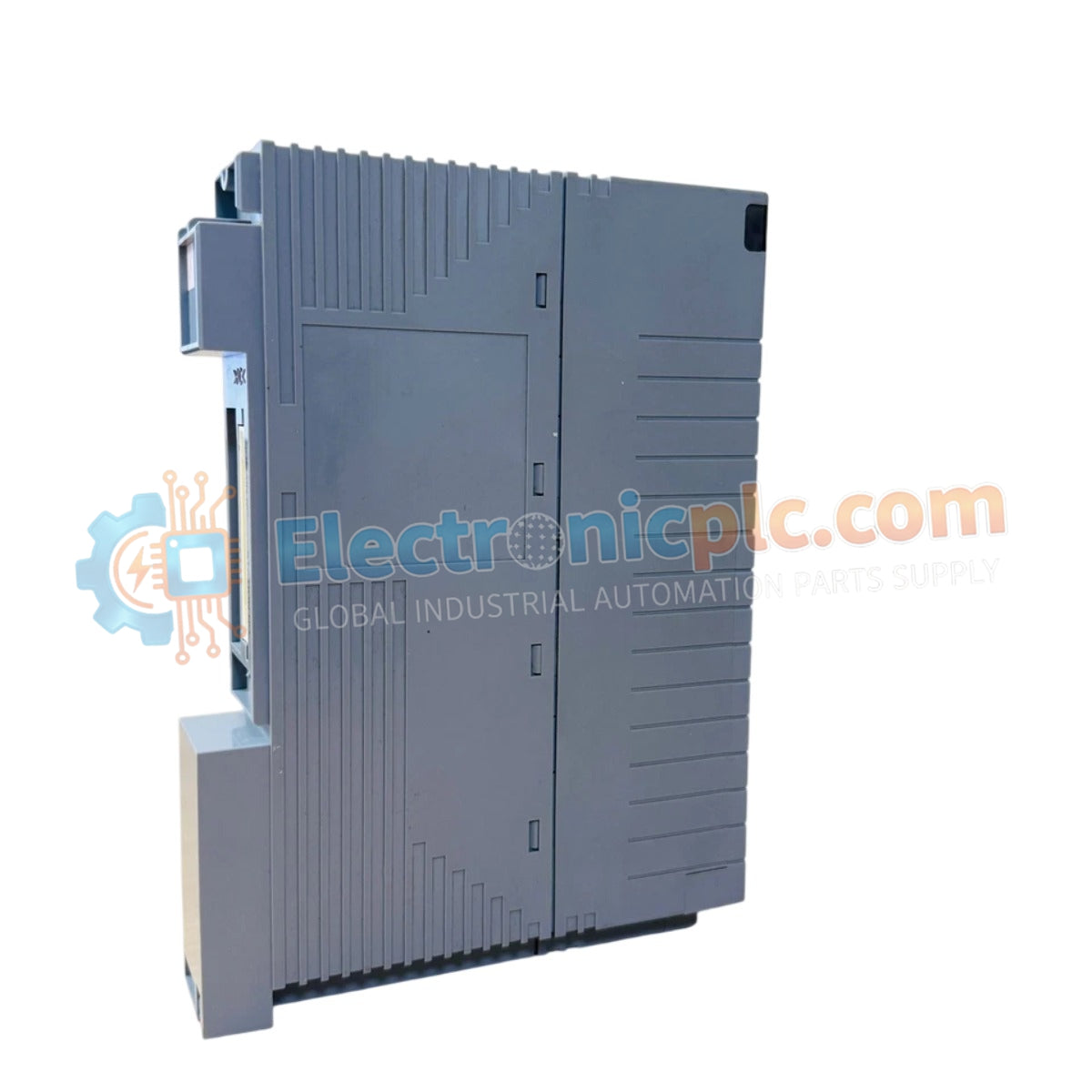
The YOKOGAWA CP461-10 S1, also cataloged as the CP461-10 Processor Module, operates as a dedicated hardware component for core control processing and communication automation within CENTUM CS3000 and CENTUM VP systems.
| Parameter | Specification |
| Model | CP461-10 S1 |
| Brand | YOKOGAWA |
| Origin | Refer to documentation |
| Weight | 0.7 kg |
| Dimensions | 2.5 cm x 20.3 cm x 15.2 cm |
| Operating Temp | Industrial environmental standards |
| Power Consumption | System backplane dependent |
| Processor Speed | 10 MHz |
| Memory | 64 KB RAM, 32 KB EPROM |
| Sampling Rate | 1 Hz to 100 kHz |
| Accuracy | +/- 0.01 percent FS |
The CP461-10 utilizes established DCS instrumentation standards to maintain loop integrity. The module architecture is designed to support 4-20 mA HART loop protocol integration, enabling real-time transmission of process variables. To ensure signal fidelity across complex control architectures, the design incorporates channel-to-channel isolation, which mitigates ground loop interference and cross-channel electrical noise. This structural approach ensures that high-precision control signals are processed with the required accuracy for regulatory loop stability.
Q: Can the CP461-10 S1 be hot-swapped while the CENTUM controller is in run mode?
A: Hot-swapping is restricted by the specific backplane configuration. Ensure the controller is in a secondary or standby state prior to module extraction to prevent system-wide I/O communication loss.
Q: How should the communication ports be configured for Modbus RTU integration?
A: Configuration must be defined through the system engineering station. Ensure the baud rate, parity, and stop bit settings match the external slave device requirements to avoid data packet collision on the communication bus.


