
My Cart
0 items
Genuine Automation Parts | Worldwide Express Delivery | 12-Month Warranty — [GET A QUOTE]

Configured for high-density interface consolidation in CENTUM control systems, the Yokogawa CSL/AMN33 (AMN33 Communication Module Nest) provides direct physical execution for housing and powering communication modules across CENTUM CS 1000,...
Availability: Low stock: 50 left
Reliable Worldwide Delivery
30-Day Money-Back Guarantee
Need more details? Read our fullShipping PolicyandRefund Policy.


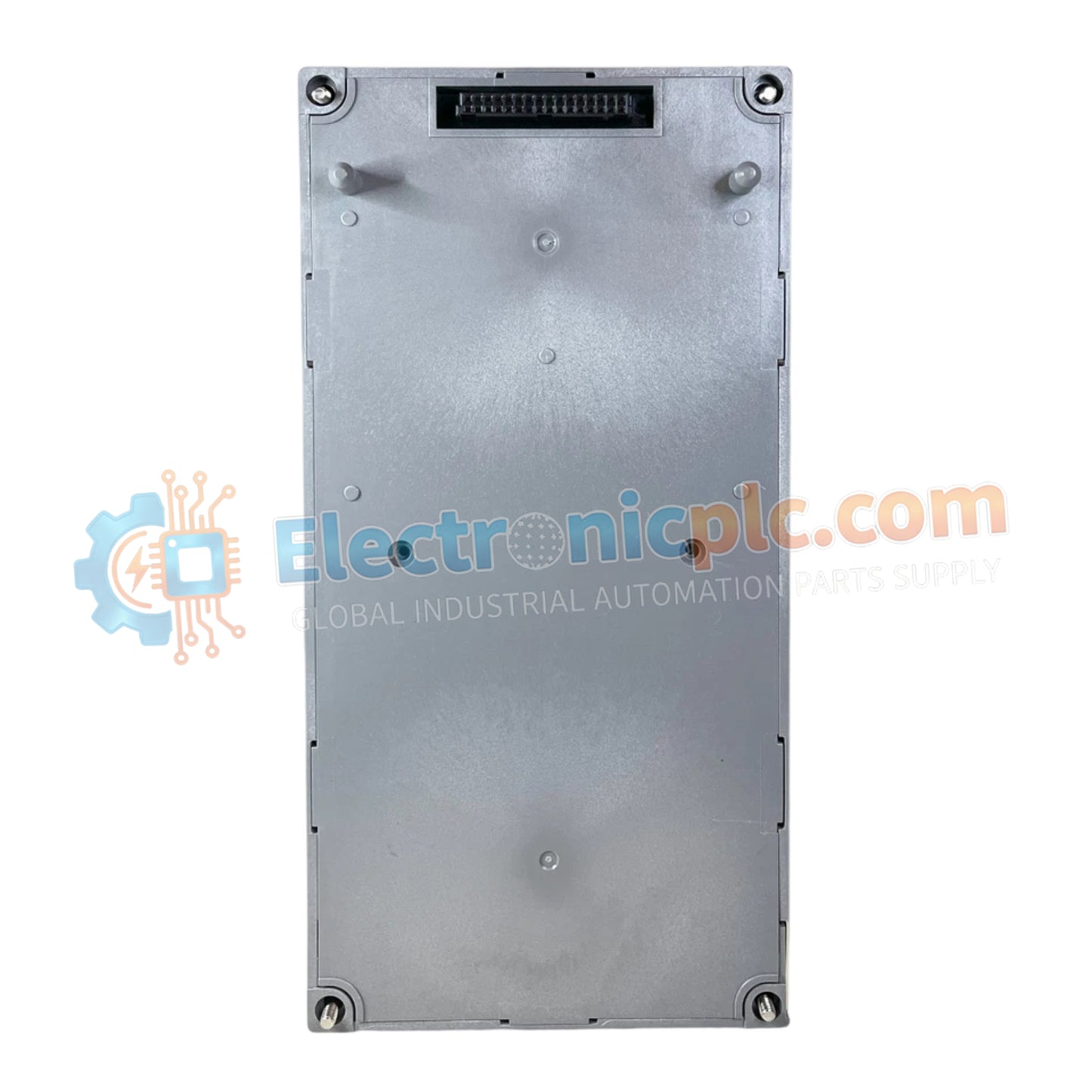
Configured for high-density interface consolidation in CENTUM control systems, the Yokogawa CSL/AMN33 (AMN33 Communication Module Nest) provides direct physical execution for housing and powering communication modules across CENTUM CS 1000, CS 3000, and CENTUM VP platforms. This hardware serves as the primary backplane interface for integrating serialized data streams into distributed control architectures, ensuring mechanical stability and signal path continuity for mission-critical instrumentation.
| Suffix Code | Specification |
|---|---|
| CSL/AMN33 | Base Communication Module Nest |
| Parameter | Specification |
|---|---|
| Model | CSL/AMN33 |
| Brand | Yokogawa |
| Origin | Japan |
| Weight | 1.2 kg |
| Dimensions | 250 mm (L) x 180 mm (W) x 50 mm (H) |
| Operating Temp | -20 deg C to +70 deg C |
| Power Consumption | Not applicable (Passive backplane) |
| System Compatibility | CENTUM CS 1000, CS 3000, CENTUM VP |
| Supported Modules | Communication Modules |
The CSL/AMN33 provides a ruggedized mounting platform designed to maintain electrical connectivity between communication modules and the DCS backplane bus. Its mechanical architecture is engineered to support the operational demands of process control environments, ensuring that inserted modules remain isolated from mechanical shock and thermal variations. The nest incorporates precision-aligned guide slots to facilitate hot-swapping procedures (where supported by the parent system), ensuring that communication paths are maintained with minimal downtime during maintenance cycles.
Q: Does the CSL/AMN33 include integrated active circuitry for signal processing?
A: No, the CSL/AMN33 is a passive housing component that provides the necessary physical infrastructure and electrical routing between the communication modules and the host system bus.
Q: Is the AMN33 nest compatible with I/O modules other than communication modules?
A: The nest is specifically designed and keyed to support the physical and electrical interface requirements of communication modules compatible with CENTUM platforms; it should not be used with standard analog or digital I/O cards.


