
My Cart
0 items
Genuine Automation Parts | Worldwide Express Delivery | 12-Month Warranty — [GET A QUOTE]

Configured for high-speed serial data exchange within industrial control networks, the Yokogawa F3LC11-1F (F3LC11-1F PC Link Module) provides a direct physical interface for RS-232-C communication between FA-M3 controllers and external...
Availability: In stock
Reliable Worldwide Delivery
30-Day Money-Back Guarantee
Need more details? Read our fullShipping PolicyandRefund Policy.


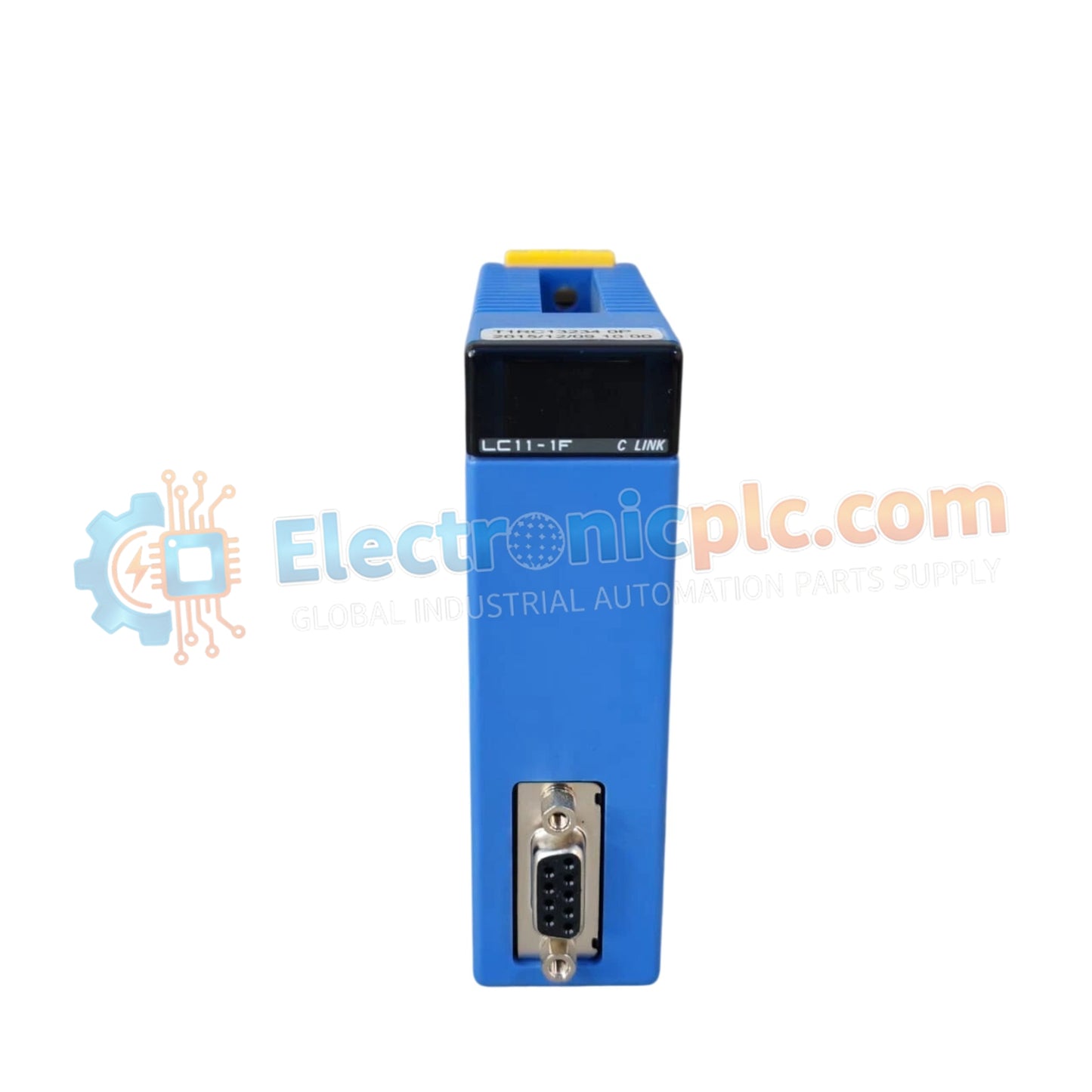
Configured for high-speed serial data exchange within industrial control networks, the Yokogawa F3LC11-1F (F3LC11-1F PC Link Module) provides a direct physical interface for RS-232-C communication between FA-M3 controllers and external supervisory systems.
| Parameter | Specification |
|---|---|
| Model | F3LC11-1F |
| Brand | Yokogawa |
| Origin | Japan |
| Weight | 0.36 kg |
| Dimensions | 2.89 cm x 10 cm x 8.32 cm |
| Operating Temp | Standard industrial range |
| Current Consumption | 320 mA (5 V DC) |
| Interface | RS-232-C (D-sub 9-pin female) |
| Transmission Mode | Half-duplex |
| Speed Range | 300 bps to 115.2 kbps |
The F3LC11-1F architecture facilitates deterministic serial communication via start-stop synchronization, ensuring efficient data transmission for supervisory control and data acquisition (SCADA) applications. The module supports a comprehensive range of baud rates up to 115.2 kbps, allowing for flexible integration with legacy serial devices and modern computer interfaces. Robust data integrity is maintained through integrated parity and sum-check error detection mechanisms. Given the 15-meter distance limitation inherent to the RS-232-C standard, this module is optimized for intra-cabinet or local-room device connectivity, providing a reliable bridge for process variable monitoring and controller parameter adjustments.
Q: Since the module is not isolated, what precautions should be taken during installation?
A: Because the F3LC11-1F port lacks internal isolation, it is critical to ensure that both the FA-M3 controller and the connected computer are tied to the same common grounding potential. Using a common earth point prevents ground loops that can induce electrical noise or damage the RS-232-C driver circuitry.
Q: Can the F3LC11-1F be used to communicate with devices requiring full-duplex operation?
A: No. The F3LC11-1F is designed exclusively for half-duplex communication. Any attempt to use this module in a full-duplex environment will result in data collisions and communication failures.


