
My Cart
0 items
Genuine Automation Parts | Worldwide Express Delivery | 12-Month Warranty — [GET A QUOTE]

The YOKOGAWA KMS40, also cataloged as the KMS40 Interface Terminal, operates as a dedicated hardware component for high-density signal distribution and termination within industrial control cabinet architectures.
Availability: Low stock: 50 left
Reliable Worldwide Delivery
30-Day Money-Back Guarantee
Need more details? Read our fullShipping PolicyandRefund Policy.

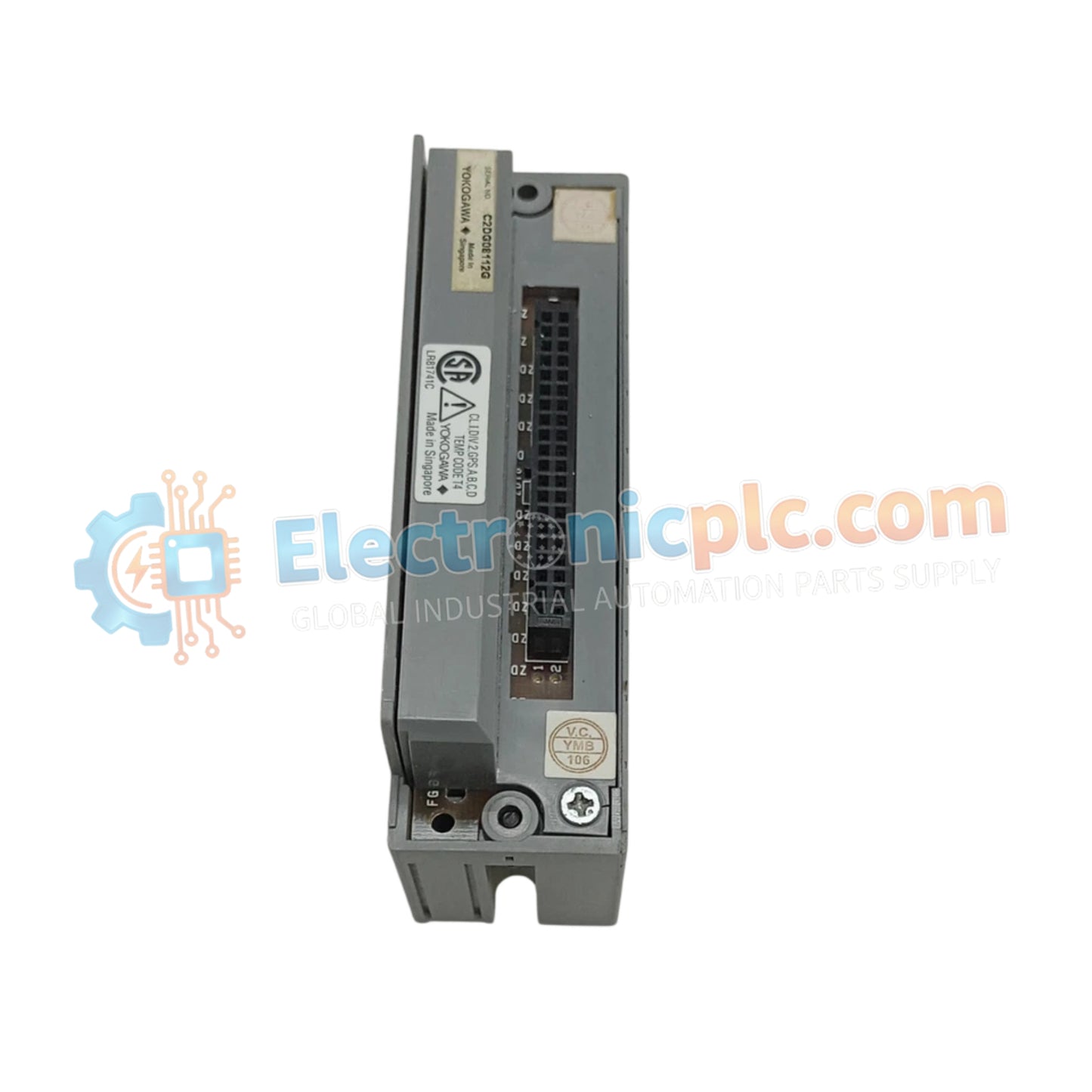
The YOKOGAWA KMS40, also cataloged as the KMS40 Interface Terminal, operates as a dedicated hardware component for high-density signal distribution and termination within industrial control cabinet architectures.
| Parameter | Specification |
|---|---|
| Model | KMS40 |
| Brand | YOKOGAWA |
| Origin | japan |
| Weight | 0.3kg |
| Dimensions | Not specified |
| Operating Temp | Not specified |
| Power Consumption | Not applicable (Passive Component) |
| Interface Type | 40-pole Terminal Board |
The KMS40 serves as a bridge for multi-core interface cabling, providing DIN-rail mounting stability for streamlined signal routing. As a passive interface, it facilitates the transition from high-density multi-pin connectors to discrete field-level conductors. The module design prioritizes mechanical retention to prevent signal interruption in environments prone to mechanical vibration, ensuring that the 40-pole interface maintains consistent physical contact for control system I/O arrays.
Q: What is the recommended torque for the terminal connections on the KMS40?
A: Terminals should be secured according to the standard torque specifications for the included screw size. Excessive torque may deform the contact plate, while insufficient torque can lead to resistive heating in high-current loops.
Q: Can the KMS40 be used to isolate individual signal channels?
A: No, the KMS40 is a passive distribution terminal board. It does not contain active isolation or filtering circuitry. Ensure that all signal isolation requirements are satisfied at the I/O module or instrumentation level prior to termination at the KMS40.

