
My Cart
0 items
Genuine Automation Parts | Worldwide Express Delivery | 12-Month Warranty — [GET A QUOTE]

The Yokogawa KS1-20 B, also cataloged as the KS1-20 B Signal Cable, operates as a dedicated hardware component for signal transmission between process control interface modules and field termination assemblies...
Availability: In stock
Reliable Worldwide Delivery
30-Day Money-Back Guarantee
Need more details? Read our fullShipping PolicyandRefund Policy.


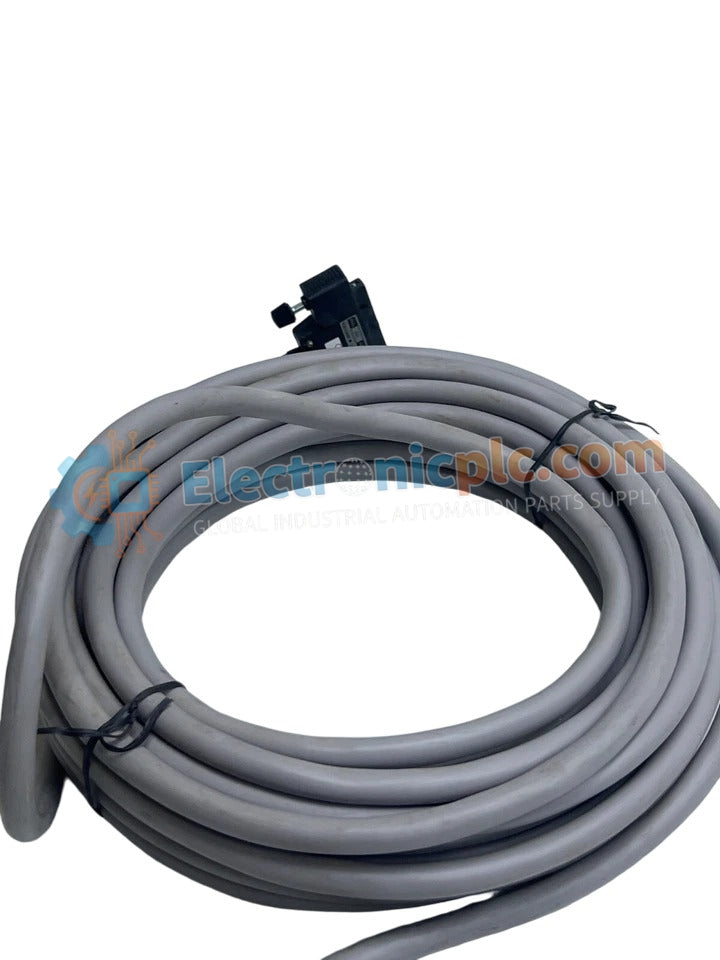
The Yokogawa KS1-20 B, also cataloged as the KS1-20 B Signal Cable, operates as a dedicated hardware component for signal transmission between process control interface modules and field termination assemblies within Yokogawa DCS platforms.
| Parameter | Specification |
|---|---|
| Model | KS1-20 B |
| Brand | Yokogawa |
| Origin | Japan |
| Weight | 0.9 kg |
| Dimensions | 25.4 x 5.1 x 38.1 cm |
| Operating Temp | Standard industrial ambient |
| Power Consumption | Passive cabling component |
The KS1-20 B serves as a high-density interconnection cable designed to maintain channel-to-channel isolation requirements across instrumentation loops. The cable assembly is engineered to facilitate precise data transit while minimizing electromagnetic interference (EMI) and crosstalk within the cabinet environment. By utilizing specialized shielding configurations, this cable ensures that 4-20 mA analog signals and discrete I/O communications remain stable across the distance between the controller base plates and field junction points. The physical construction is optimized to maintain low impedance and structural integrity under standard industrial operating conditions.
Q: Are there specific installation requirements for the cable shielding?
A: Yes. The shield should be grounded at the designated common ground point of the termination assembly to effectively divert induced noise to the system earth.
Q: Is this cable suitable for use in high-vibration areas?
A: The KS1-20 B is designed for fixed installation within control cabinets. If used in areas subject to significant vibration, ensure the cable is properly supported with cable ties or conduits to prevent mechanical stress on the connector housing.


