Skip to product information
1 of 3

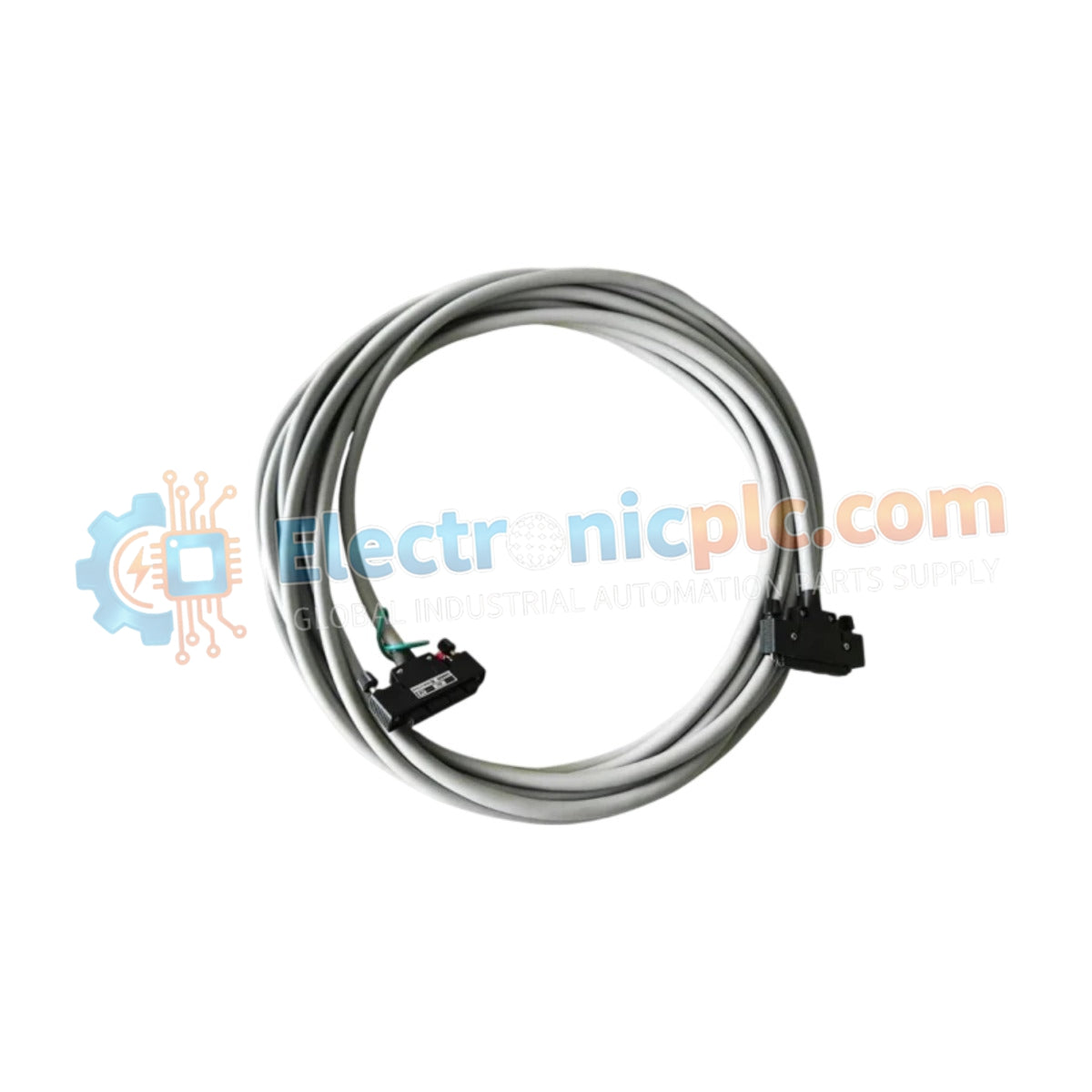
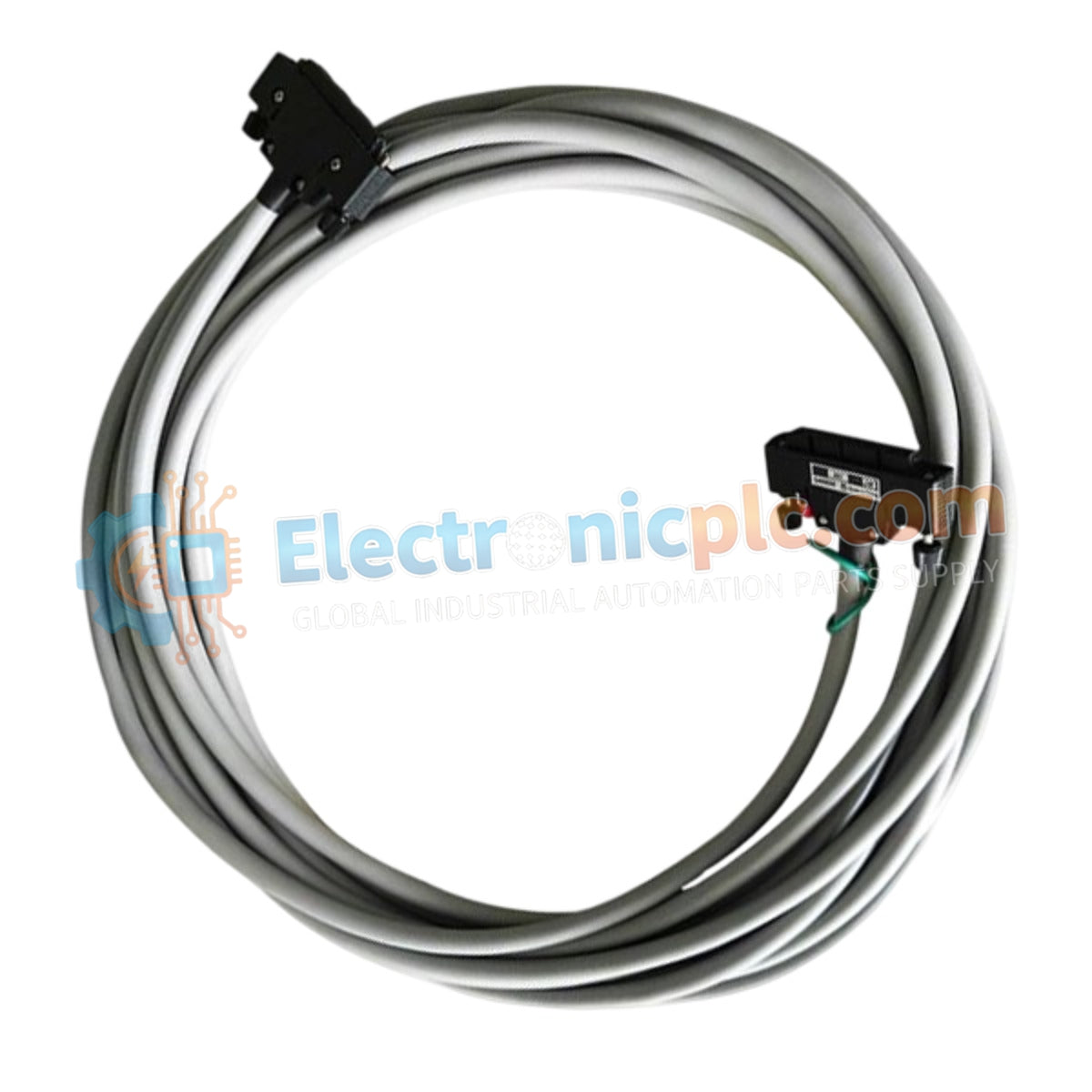
YOKOGAWA KS10-10*A Signal Cable

YOKOGAWA KS10-10*A Signal Cable

The YOKOGAWA KS10-10*A, also cataloged as the KS10-10 Signal Cable, operates as a dedicated hardware component for high-density analog and digital signal interconnection between field terminal blocks and DCS input/output...

29 people are viewing this right now

AvailabilityLow stock: 99 left

SKU: KS10-10*A
Vendor: Yokogawa
Category: Signal Cable
Related Series:

Shipping & Returns

Reliable Worldwide Delivery

  • Carriers: Shipped via DHL, FedEx, UPS, or USPS.
  • Dispatch: Orders processed in 1-2 business days and dispatched within 3-5 business days.
  • Tracking: Full tracking details provided via email upon shipment.

30-Day Money-Back Guarantee

  • Guarantee: 30-day return window for in-stock, factory-sealed products.
  • Condition: Items must be unopened, unused, and in original packaging.
  • Authenticity: We guarantee 100% original and authentic hardware.

Need more details? Read our fullShipping PolicyandRefund Policy.
Authenticity & Warranty

  • Genuine Guarantee: We supply only 100% original, brand-new, and factory-sealed industrial automation parts.
  • Full Coverage: Every component is backed by a 12-month comprehensive warranty from the date of purchase.
  • Traceability: All products come with original factory documentation and accessories for full industrial compliance.

Technical Support & Sourcing

  • Expert Assistance: Our technical team provides free consultation to help you verify compatibility for DCS and PLC systems.
  • Rare Part Sourcing: Specializing in obsolete and hard-to-find components from Allen-Bradley, Siemens, ABB, HIMA, and more.
  • Bulk Inquiries: Contact us at pambo@5gplc.com for volume pricing or customized project quotes.
View full product details

The YOKOGAWA KS10-10*A, also cataloged as the KS10-10 Signal Cable, operates as a dedicated hardware component for high-density analog and digital signal interconnection between field terminal blocks and DCS input/output modules.

Suffix Breakdown & Model Matrix

  • KS10: Base model designation for the multi-core signal cable series.
  • 10: Indicates the specific cable length configuration (10 m).
  • A: Denotes the connector wiring configuration and pinout definition (Style A).

Hardware Specifications

Parameter Specification
Model KS10-10*A
Brand YOKOGAWA
Origin japan
Weight 2 kg
Dimensions Not Specified
Operating Temp Standard Industrial Range
Power Consumption Passive Component
Pin Configuration 50-pin to 50-pin

Process Control Connectivity

The KS10 series cables are utilized to maintain 4-20 mA HART loop protocol signal integrity between field junction boxes and Yokogawa process control stations. Each cable assembly ensures channel-to-channel isolation by maintaining strict twisted-pair shielding requirements, preventing cross-talk in high-density I/O racks. The cable incorporates cold junction compensation (CJC) path continuity for temperature-sensing loops, ensuring that thermocouple and RTD signal degradation remains within the tolerance of the host controller.

Frequently Asked Questions

Q: Can the KS10-10*A cable be shortened in the field without compromising the connection integrity?

A: Field modification of the cable length is strictly discouraged, as manual termination of the 50-pin connectors often introduces impedance mismatch and signal noise, which may interfere with high-precision DCS analog loops.

Q: Are these cables shielded against electromagnetic interference (EMI)?

A: Yes, the internal conductors are shielded to suppress induced noise, adhering to industrial standards for DCS signal propagation. Ensure the cable drain wire is connected to the instrument earth at the designated terminal point.

Field Installation Guidelines

  1. Connector Engagement: When inserting the 50-pin connectors into the I/O module or terminal board, ensure the locking clips are fully seated. Partial engagement leads to intermittent circuit faults.
  2. Bend Radius: Maintain a minimum bend radius of at least 10 times the outer diameter of the cable. Excessive bending can cause internal core fracture or insulation degradation.
  3. Cable Routing: Route signal cables in dedicated instrumentation trays. Avoid parallel runs with high-voltage power lines (e.g., 480 VAC or higher) to prevent inductive noise injection.
  4. Environment: Ensure that the cable entry points at the control cabinet are sealed to prevent dust or moisture ingress, particularly in corrosive environments where G3 protection might be required for connected modules.