
My Cart
0 items
Genuine Automation Parts | Worldwide Express Delivery | 12-Month Warranty — [GET A QUOTE]

Configured for high-reliability process monitoring, the YOKOGAWA KS10-20 (KS10-20 Field-Mounted Control System) provides direct physical execution of signal conditioning and loop control. The unit functions as a primary interface for...
Availability: In stock
Reliable Worldwide Delivery
30-Day Money-Back Guarantee
Need more details? Read our fullShipping PolicyandRefund Policy.
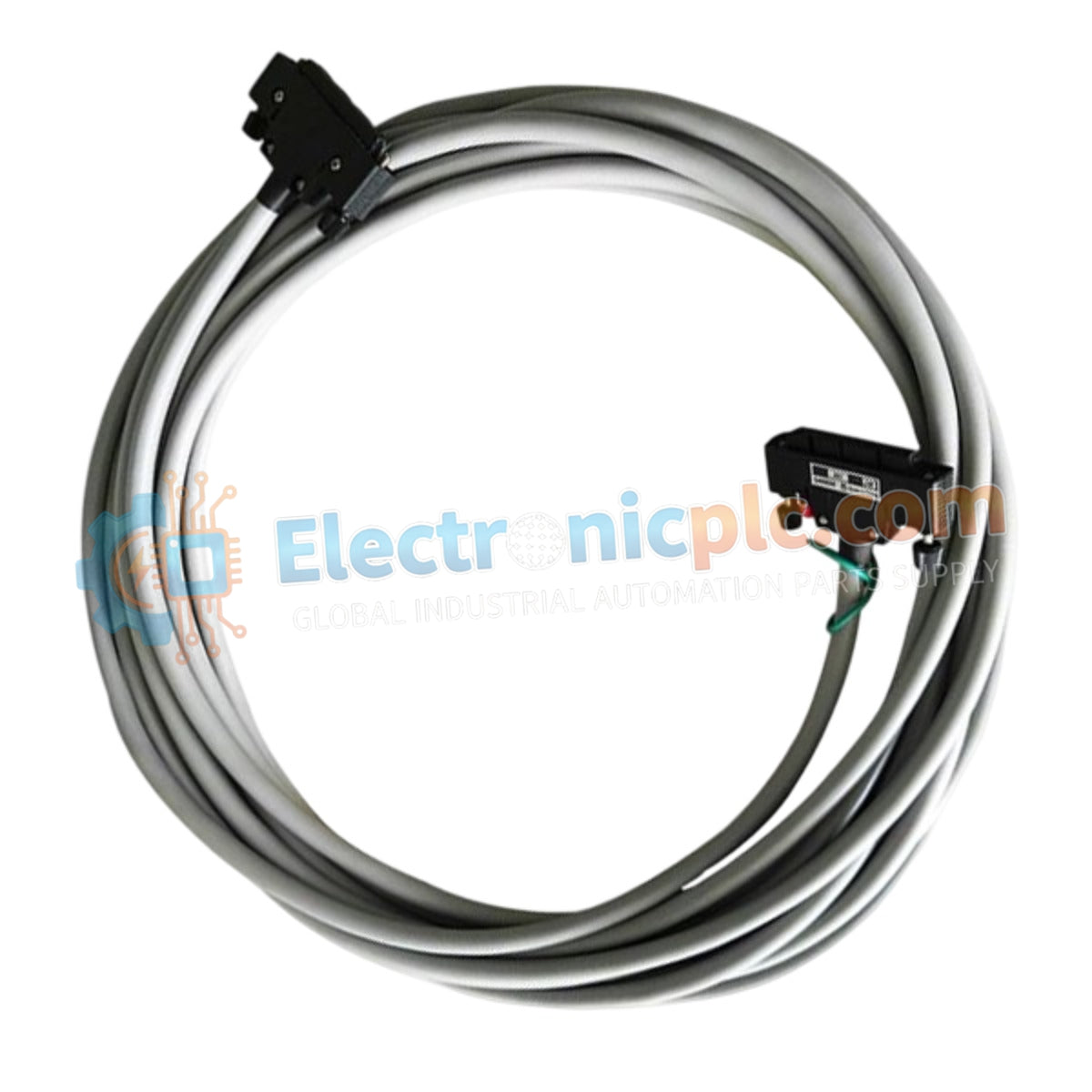
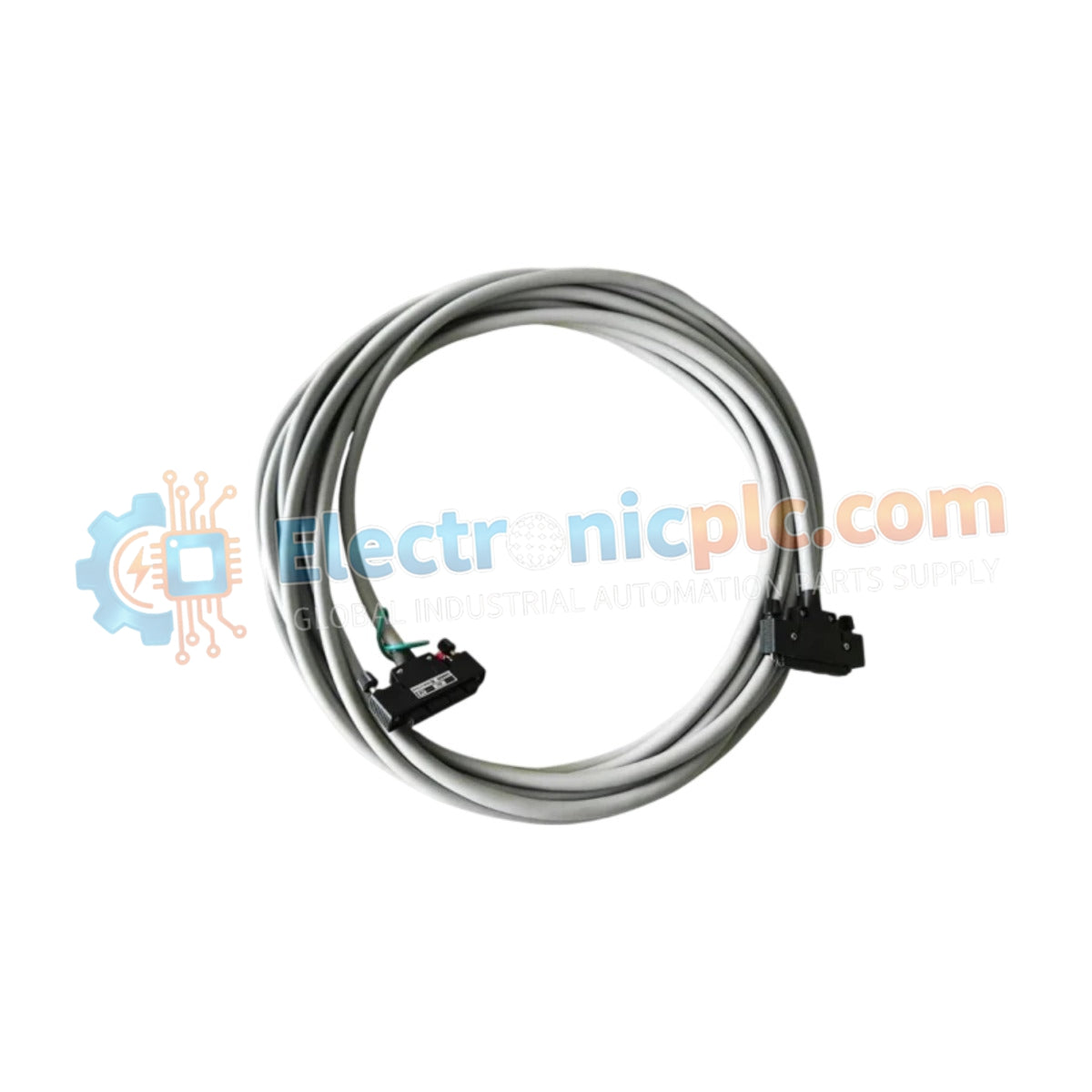
Configured for high-reliability process monitoring, the YOKOGAWA KS10-20 (KS10-20 Field-Mounted Control System) provides direct physical execution of signal conditioning and loop control. The unit functions as a primary interface for universal analog sensors, facilitating data acquisition and automated relay logic within process automation platforms.
| Parameter | Specification |
|---|---|
| Model | KS10-20 |
| Brand | YOKOGAWA |
| Origin | Not specified |
| Weight | 1.5 kg |
| Dimensions | 200 mm x 150 mm x 120 mm |
| Operating Temp | -20 to 60 deg C |
| Power Consumption | 24 VDC nominal |
| Protection Rating | IP66 / NEMA 4X |
| Communication | MODBUS RTU / PROFIBUS |
| Display | Backlit LCD |
The KS10-20 is engineered with universal input capability, supporting the direct interfacing of thermocouples, RTDs, and voltage/current loops. The internal architecture utilizes precision analog-to-digital conversion to maintain measurement accuracy across the specified operating range. The IP66/NEMA 4X protection rating ensures the internal circuitry is shielded from dust and liquid ingress, making the unit suitable for direct field mounting in harsh industrial zones. Data integrity is managed through standard industrial protocols, including MODBUS RTU and PROFIBUS, allowing for deterministic communication with higher-level DCS or PLC architectures.
Q: Can the KS10-20 operate in environments with high humidity?
A: The unit is rated for operation in 10% to 90% RH (non-condensing) environments. While the IP66 housing provides protection against water ingress, ensure that internal components are kept free of condensation by utilizing appropriate cable glands and environmental enclosure measures.
Q: Is the firmware user-configurable for different communication protocols?
A: Yes. The device supports multiple protocols, including MODBUS RTU and PROFIBUS, which are configurable through the system interface. Ensure the correct protocol selection is verified during the initial commission phase to prevent communication timeout errors.


