
My Cart
0 items
Genuine Automation Parts | Worldwide Express Delivery | 12-Month Warranty — [GET A QUOTE]

Configured for high-integrity signal transmission in distributed control systems, the YOKOGAWA KS2-20 (KS2-20 Signal Cable) provides direct physical execution of data routing between field instrumentation and control modules. The cable...
Availability: In stock
Reliable Worldwide Delivery
30-Day Money-Back Guarantee
Need more details? Read our fullShipping PolicyandRefund Policy.
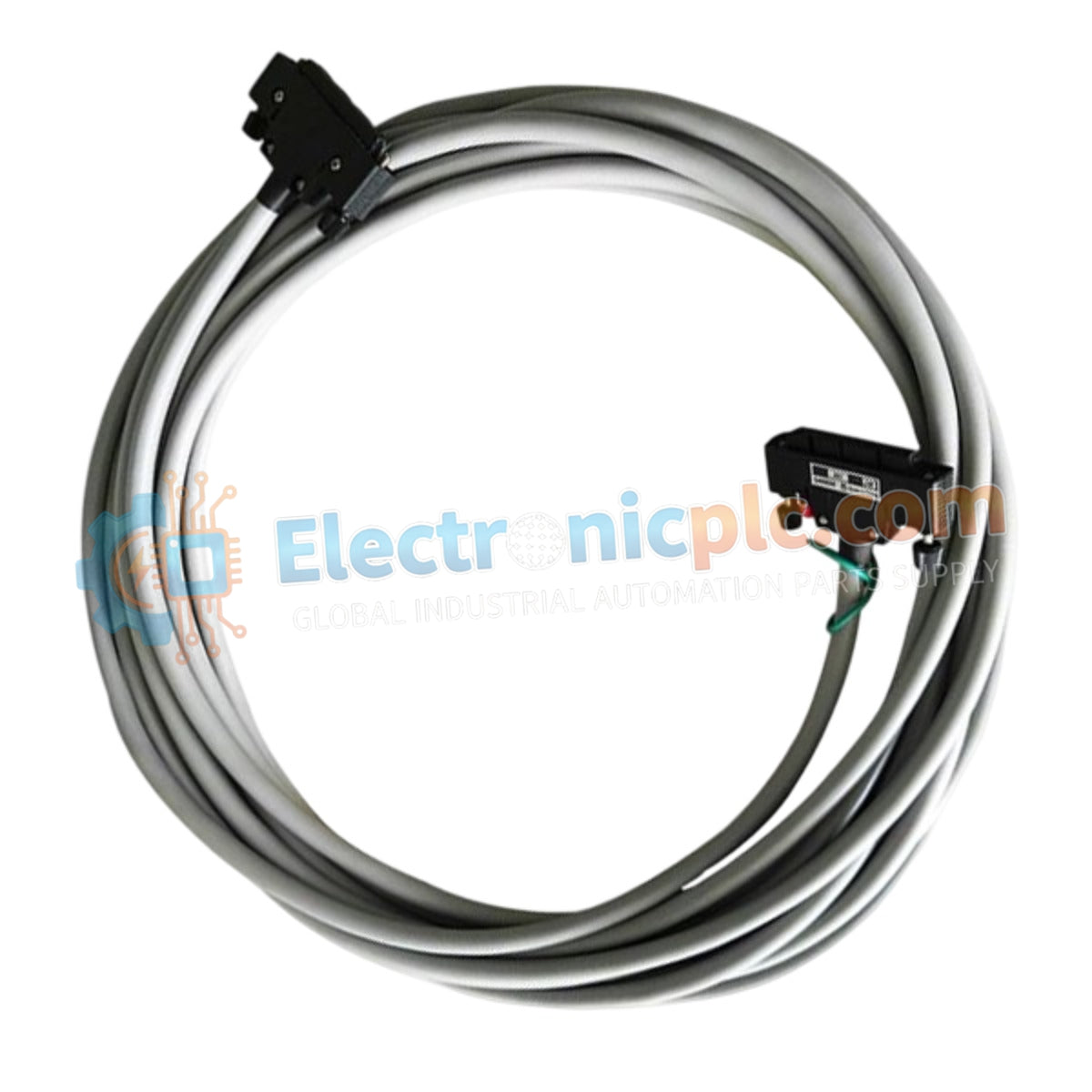
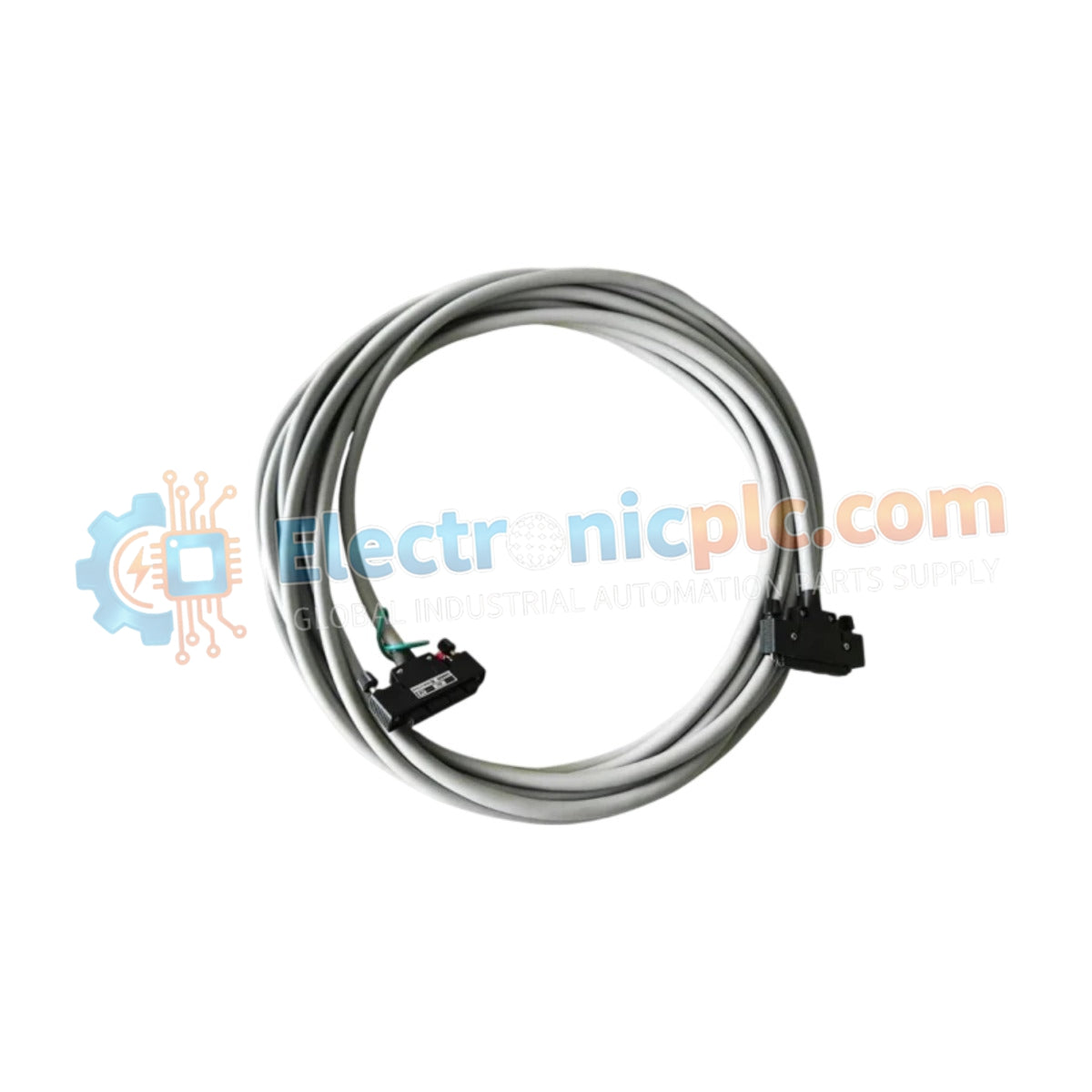
Configured for high-integrity signal transmission in distributed control systems, the YOKOGAWA KS2-20 (KS2-20 Signal Cable) provides direct physical execution of data routing between field instrumentation and control modules. The cable assembly utilizes a high-density 20-pin D-subminiature connector interface to facilitate stable, low-latency signal transport across Yokogawa CENTUM series and PLC architectures.
| Parameter | Specification |
|---|---|
| Model | KS2-20 |
| Brand | YOKOGAWA |
| Origin | Japan |
| Weight | 0.88kg |
| Dimensions | Variable length |
| Operating Temp | -20 to 70 deg C |
| Power Consumption | Passive (None) |
| Connector Type | 20-pin D-subminiature |
| Shielding | Braided tinned copper |
The KS2-20 cable is engineered with a braided tinned copper shield to mitigate electromagnetic interference, which is critical for maintaining signal accuracy in industrial control environments. The use of tinned copper conductors enhances solderability and provides superior corrosion resistance, ensuring long-term electrical conductivity. The PVC jacket and insulation provide the necessary mechanical protection against environmental stress, maintaining the integrity of the data transmission path even when routed through high-vibration or variable-temperature plant zones.
Q: Can this cable be used for high-current power transmission?
A: No. The KS2-20 is designed specifically for signal-level transmission. Utilizing this cable for power distribution or high-current loads will result in overheating and failure of the internal conductors and connectors.
Q: How should I determine the correct length for my application?
A: The total length must account for the cable route from the field terminal to the control cabinet input. Measure the path along existing cable trays, adding a 10% slack margin to prevent tension on the D-subminiature connectors during thermal expansion or mechanical vibration.


