
My Cart
0 items
Genuine Automation Parts | Worldwide Express Delivery | 12-Month Warranty — [GET A QUOTE]

The YOKOGAWA NFAI543-S50 is a specialized analog output module designed for high-precision signal control within CENTUM VP and other YOKOGAWA distributed control system (DCS) architectures. It is engineered to translate...
Availability: In stock
Reliable Worldwide Delivery
30-Day Money-Back Guarantee
Need more details? Read our fullShipping PolicyandRefund Policy.


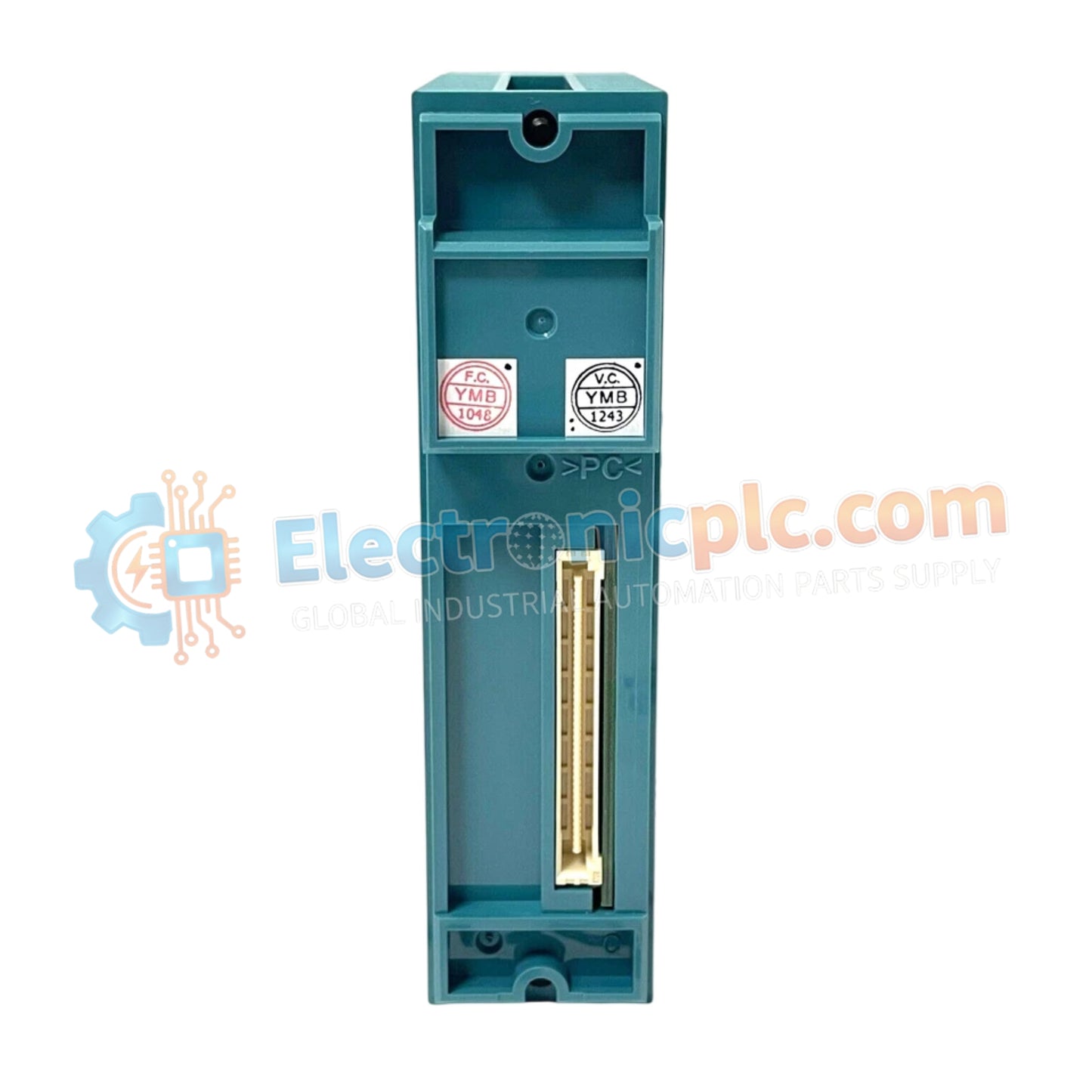
The YOKOGAWA NFAI543-S50 is a specialized analog output module designed for high-precision signal control within CENTUM VP and other YOKOGAWA distributed control system (DCS) architectures. It is engineered to translate digital commands from the controller into precise analog currents, driving final control elements such as actuators, valves, and transducers.
| Parameter | Specification |
|---|---|
| Model | NFAI543-S50 |
| Brand | YOKOGAWA |
| Origin | Japan |
| Weight | 0.4 kg |
| Dimensions | 2.5 cm x 20.3 cm x 15.2 cm |
| Operating Temp | 0 deg C to 50 deg C |
| Function | Analog Output Module |
| Compatibility | CENTUM VP / Distributed Control Systems |
The NFAI543-S50 is designed to provide stable 4–20 mA output signals, essential for maintaining deterministic control in process loops. The module architecture includes advanced signal conditioning and loop diagnostics, which monitor for open-circuit or short-circuit conditions in the field wiring. This capability allows the DCS to immediately identify and report faults in the analog loop, minimizing unplanned downtime and enhancing process safety.
Q: How is the NFAI543-S50 configured for specific current ranges?
A: The output range is typically configured via the engineering software of the control system. Calibration of the zero (4 mA) and span (20 mA) points is performed electronically through the module's interface, eliminating the need for manual potentiometers.
Q: Can this module be hot-swapped while the process is active?
A: In most DCS environments, the NFAI543-S50 supports hot-swapping provided that the system is configured for it and the specific safety protocols for the plant are followed. Always verify the I/O channel status in the software before physical removal to prevent unexpected output fluctuations.


