
My Cart
0 items
Genuine Automation Parts | Worldwide Express Delivery | 12-Month Warranty — [GET A QUOTE]

Configured for high-density discrete signal acquisition in DCS network platforms, the YOKOGAWA NFDV161-P50 (NFDV161-P50 Digital Input Module) provides direct physical/electrical execution for status monitoring and interlock sequences.
Availability: In stock
Reliable Worldwide Delivery
30-Day Money-Back Guarantee
Need more details? Read our fullShipping PolicyandRefund Policy.


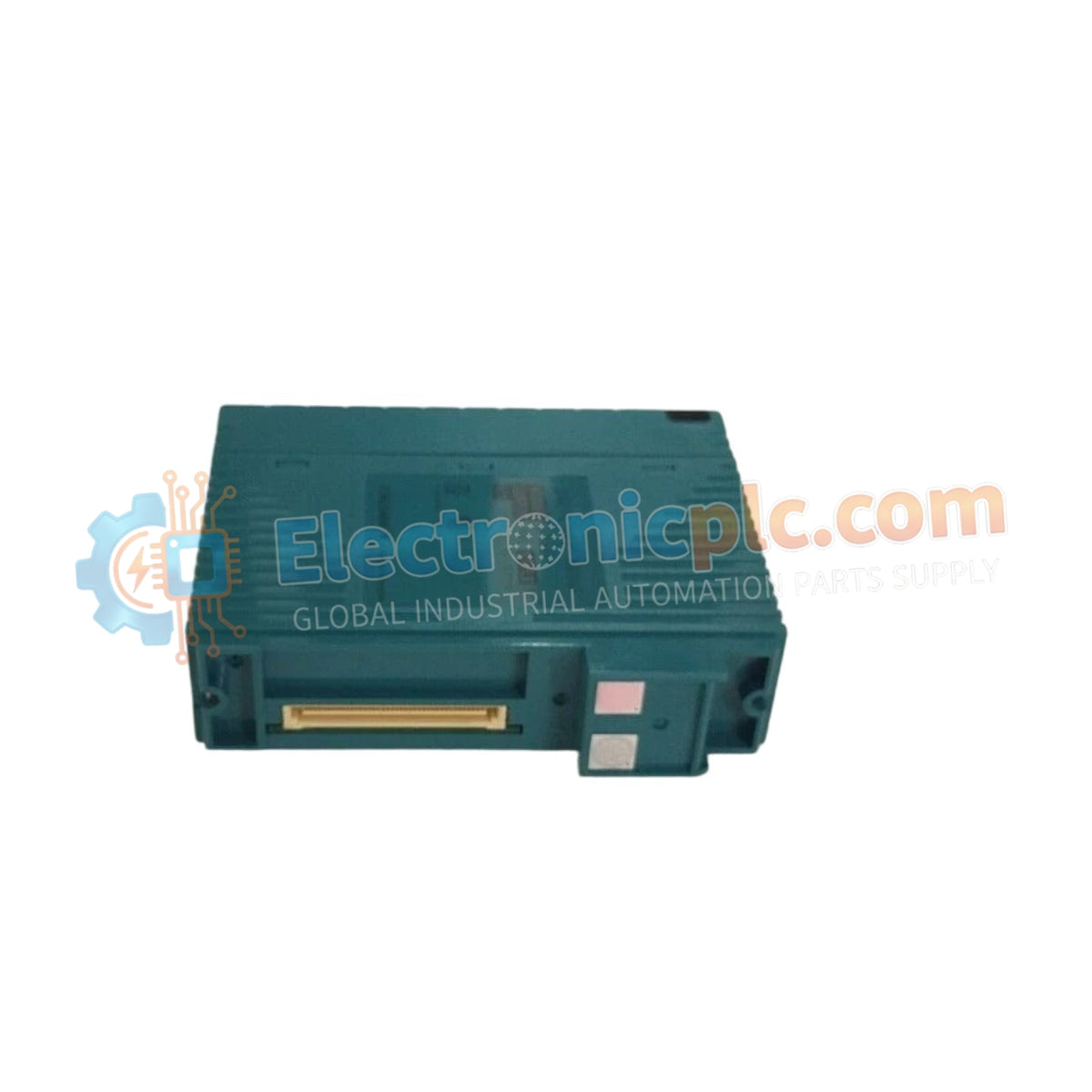
Configured for high-density discrete signal acquisition in DCS network platforms, the YOKOGAWA NFDV161-P50 (NFDV161-P50 Digital Input Module) provides direct physical/electrical execution for status monitoring and interlock sequences.
| Parameter | Specification |
|---|---|
| Model | NFDV161-P50 |
| Brand | YOKOGAWA |
| Origin | JAPAN |
| Weight | 0.3 kg |
| Dimensions | 5.1 cm x 12.7 cm x 10.2 cm |
| Operating Temp | -20 to 70 deg C |
| Power Consumption | 2.5 W (typical) |
| Signal Input | 16-channel discrete input |
| Isolation | Channel-to-channel galvanic isolation |
The module ensures signal integrity through comprehensive channel-to-channel isolation, preventing common-mode noise propagation between discrete inputs. The circuit architecture supports standard 24 VDC process loop interfaces, ensuring compatible voltage thresholds for field switch contact monitoring. By utilizing dedicated optical coupling for each input channel, the module sustains operational stability within high-electromagnetic interference environments characteristic of large-scale process control installations.
Q: Does the NFDV161-P50 support hot-swapping during active system operation?
A: Yes, the hardware architecture is designed to support hot-swap insertion and removal within a powered backplane provided the specific DCS cabinet safety protocols are followed.
Q: What is the maximum current draw per channel during signal state transition?
A: Each channel is current-limited to 10 mA to ensure compatibility with standard field limit switches and dry contact inputs while maintaining low heat dissipation.


