Skip to product information
1 of 3

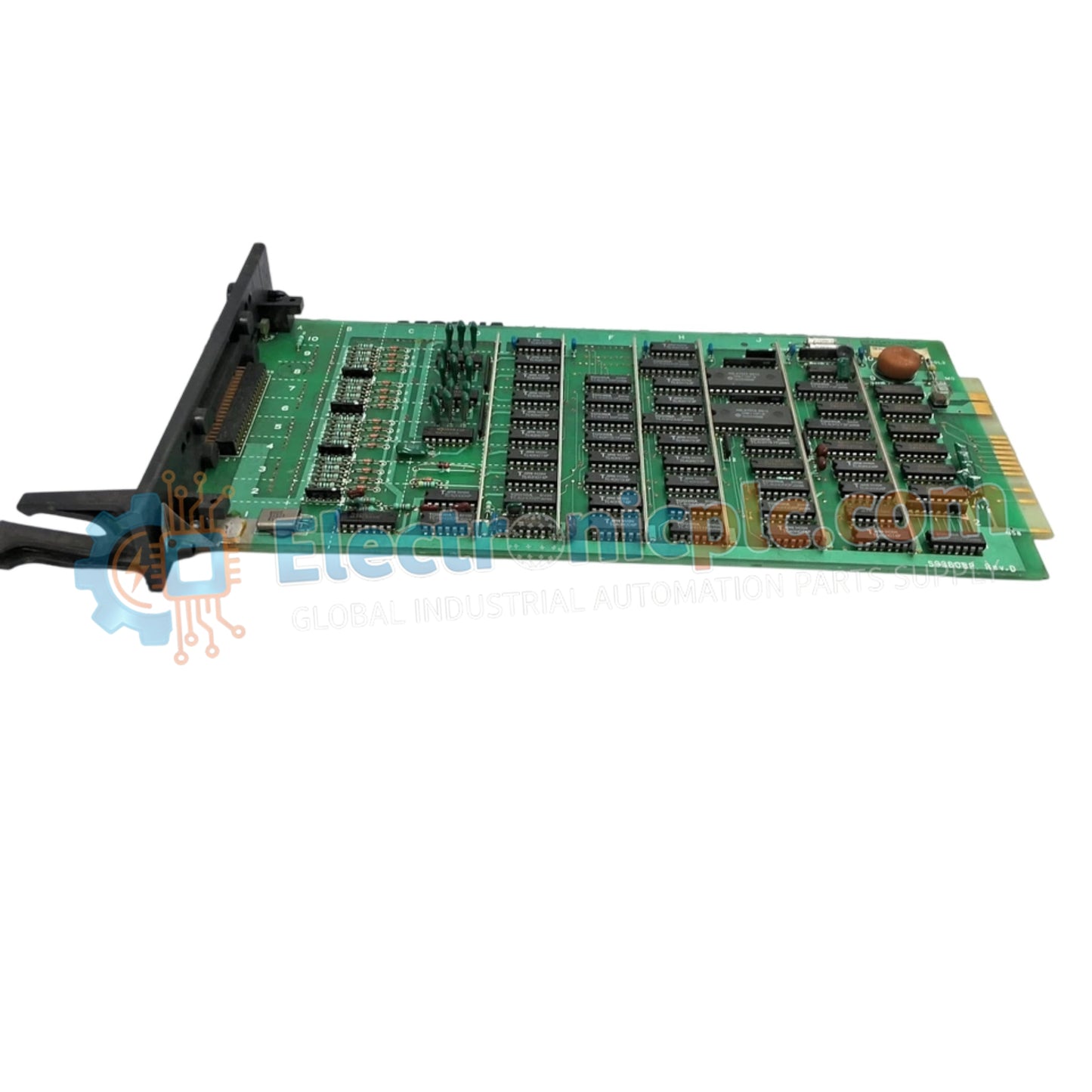
Yokogawa PM1*C Processor Module Card

Yokogawa PM1*C Processor Module Card

Configured for legacy process control environments, the Yokogawa PM1*C (PM1*C Processor Module) serves as a fundamental hardware component within established CENTUM XL control architectures, providing direct physical/electrical execution of process...

24 people are viewing this right now

AvailabilityIn stock

SKU: PM1*C
Vendor: Yokogawa
Related Series:

Shipping & Returns

Reliable Worldwide Delivery

  • Carriers: Shipped via DHL, FedEx, UPS, or USPS.
  • Dispatch: Orders processed in 1-2 business days and dispatched within 3-5 business days.
  • Tracking: Full tracking details provided via email upon shipment.

30-Day Money-Back Guarantee

  • Guarantee: 30-day return window for in-stock, factory-sealed products.
  • Condition: Items must be unopened, unused, and in original packaging.
  • Authenticity: We guarantee 100% original and authentic hardware.

Need more details? Read our fullShipping PolicyandRefund Policy.

Authenticity & Warranty

  • Genuine Guarantee: We supply only 100% original, brand-new, and factory-sealed industrial automation parts.
  • Full Coverage: Every component is backed by a 12-month comprehensive warranty from the date of purchase.
  • Traceability: All products come with original factory documentation and accessories for full industrial compliance.

Technical Support & Sourcing

  • Expert Assistance: Our technical team provides free consultation to help you verify compatibility for DCS and PLC systems.
  • Rare Part Sourcing: Specializing in obsolete and hard-to-find components from Allen-Bradley, Siemens, ABB, HIMA, and more.
  • Bulk Inquiries: Contact us at pambo@5gplc.com for volume pricing or customized project quotes.
View full product details

Configured for legacy process control environments, the Yokogawa PM1*C (PM1*C Processor Module) serves as a fundamental hardware component within established CENTUM XL control architectures, providing direct physical/electrical execution of process control logic and system-level monitoring.

Suffix Breakdown & Model Matrix

  • PM1*C: Base designation for a processor module card optimized for legacy DCS/PLC functionality; the internal configuration is engineered for integration within CENTUM XL rack assemblies.

Hardware Specifications

Parameter Specification
Model PM1*C
Brand Yokogawa
Origin Japan
Weight 0.33 kg
Dimensions Not Specified
Operating Temp Not Specified
Power Consumption Not Specified
Architecture Processor Module Card
Compatibility Yokogawa CENTUM XL Systems

Industrial Control and Legacy System Maintenance

The PM1*C module provides deterministic control execution necessary for the ongoing operation of legacy DCS architectures. As a critical spare for CENTUM XL systems, it is designed to interface directly with the system's internal bus to maintain communication integrity between the controller and the process I/O. The module facilitates the high-reliability logic processing required to support continuous production environments, ensuring that historical control parameters and system-level monitoring remain stable during long-term operation.

Frequently Asked Questions

Q: Is the PM1C module still in active production? A: No. The PM1C is a legacy/obsolete item. It is primarily utilized as a vital spare component for the maintenance and repair of existing CENTUM XL installations.

Q: What precautions should be taken when replacing a PM1*C module in a live system?

A: Given the legacy nature of CENTUM XL components, it is strongly recommended that the control rack be de-energized or the system placed in a safe manual control state per the specific plant maintenance procedures before attempting to remove or install the module.

Field Installation Guidelines

  1. Inspect the module backplane pins for signs of oxidation or wear common to legacy equipment before installation.
  2. Ensure the module is properly seated and firmly locked into the designated rack slot to establish a secure electrical connection with the system bus.
  3. Tighten all retaining screws to ensure proper grounding to the chassis, which is critical for noise immunity in older system architectures.
  4. Perform a thorough diagnostic check via the control system interface after installation to confirm that the module is correctly initializing and communicating with the rest of the rack.
  5. Handle the module using anti-static protocols, as legacy electronic components can be sensitive to electrostatic discharge (ESD) during manual handling.