
My Cart
0 items
Genuine Automation Parts | Worldwide Express Delivery | 12-Month Warranty — [GET A QUOTE]

Configured for high-speed data transmission in distributed control system platforms, the Yokogawa SEC401-50 (SEC401-50 ESB Bus Coupler) provides direct physical electrical execution of communication bridging between the field control unit...
Availability: In stock
Reliable Worldwide Delivery
30-Day Money-Back Guarantee
Need more details? Read our fullShipping PolicyandRefund Policy.


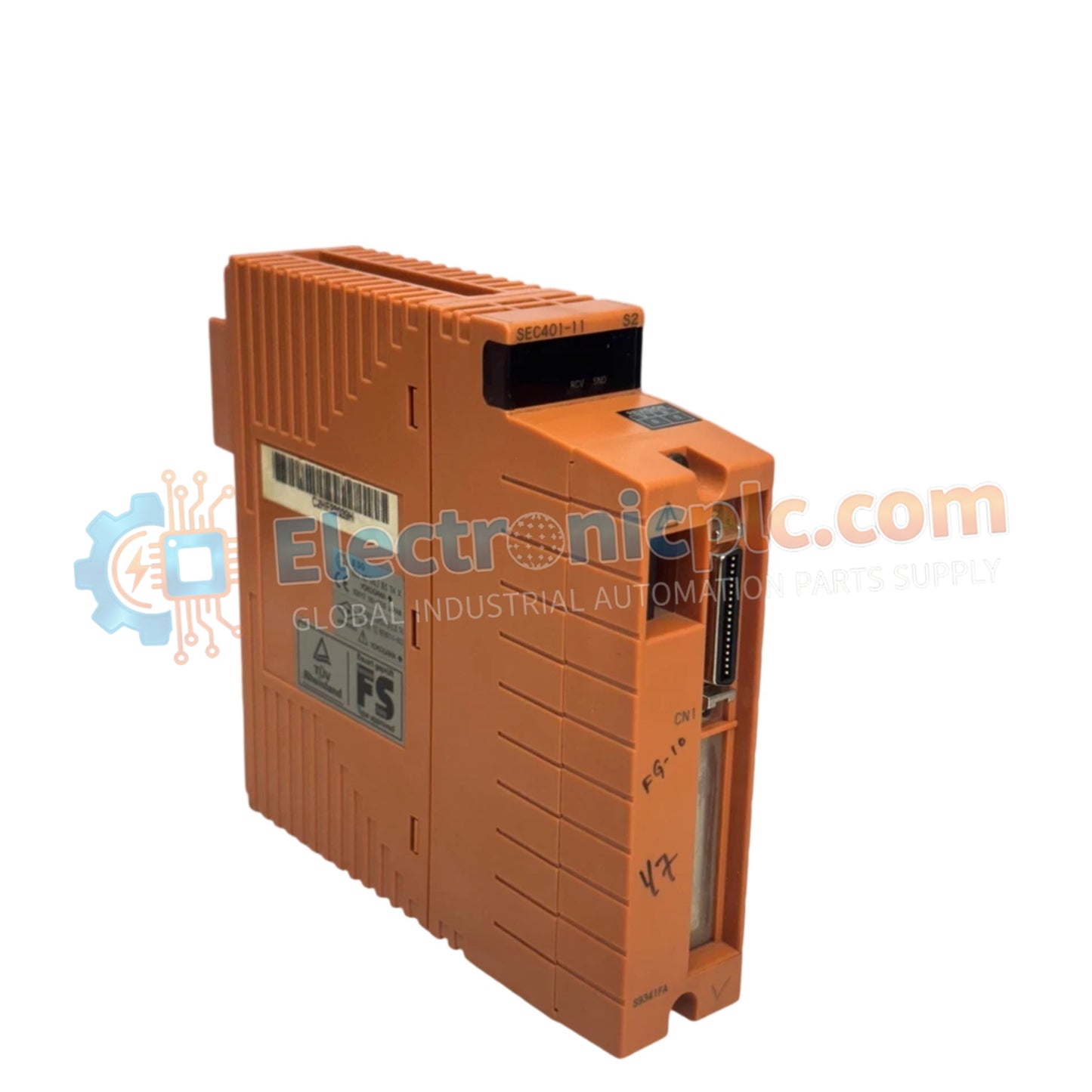
Configured for high-speed data transmission in distributed control system platforms, the Yokogawa SEC401-50 (SEC401-50 ESB Bus Coupler) provides direct physical electrical execution of communication bridging between the field control unit and remote I/O nodes.
| Parameter | Specification |
|---|---|
| Model | SEC401-50 |
| Brand | Yokogawa |
| Origin | Japan |
| Weight | 0.3 kg |
| Dimensions | 2.2 cm x 12.4 cm x 12.6 cm |
| Operating Temp | 0 to 50 deg C |
| Power Consumption | 24 V DC (System backplane powered) |
| Bus Type | ESB (Extended Serial Bus) |
The SEC401-50 manages deterministic data exchange across the ESB bus architecture. This coupler module regulates backplane bus communication velocity, ensuring that packet transmission between the processor and remote I/O remains synchronized with the system scan cycle. The unit supports robust error detection protocols, which are required for high-speed I/O updates in distributed environments. Proper firmware flash compatibility is maintained through the system configuration software to ensure seamless integration with the existing control network node structure.
Q: Does the SEC401-50 support hot-swapping while the ESB bus is active?
A: No. Removing or inserting the SEC401-50 module while the bus is powered can cause communication interruptions or bus errors across the connected remote nodes. Always de-energize the associated bus segment before maintenance.
Q: How does this module handle communication latency on the ESB bus?
A: The module is designed for deterministic communication; however, latency is dependent on the total number of connected nodes and the cable length of the ESB bus. Ensure total segment length complies with manufacturer installation specifications to maintain designated communication timing.


