Skip to product information
1 of 3

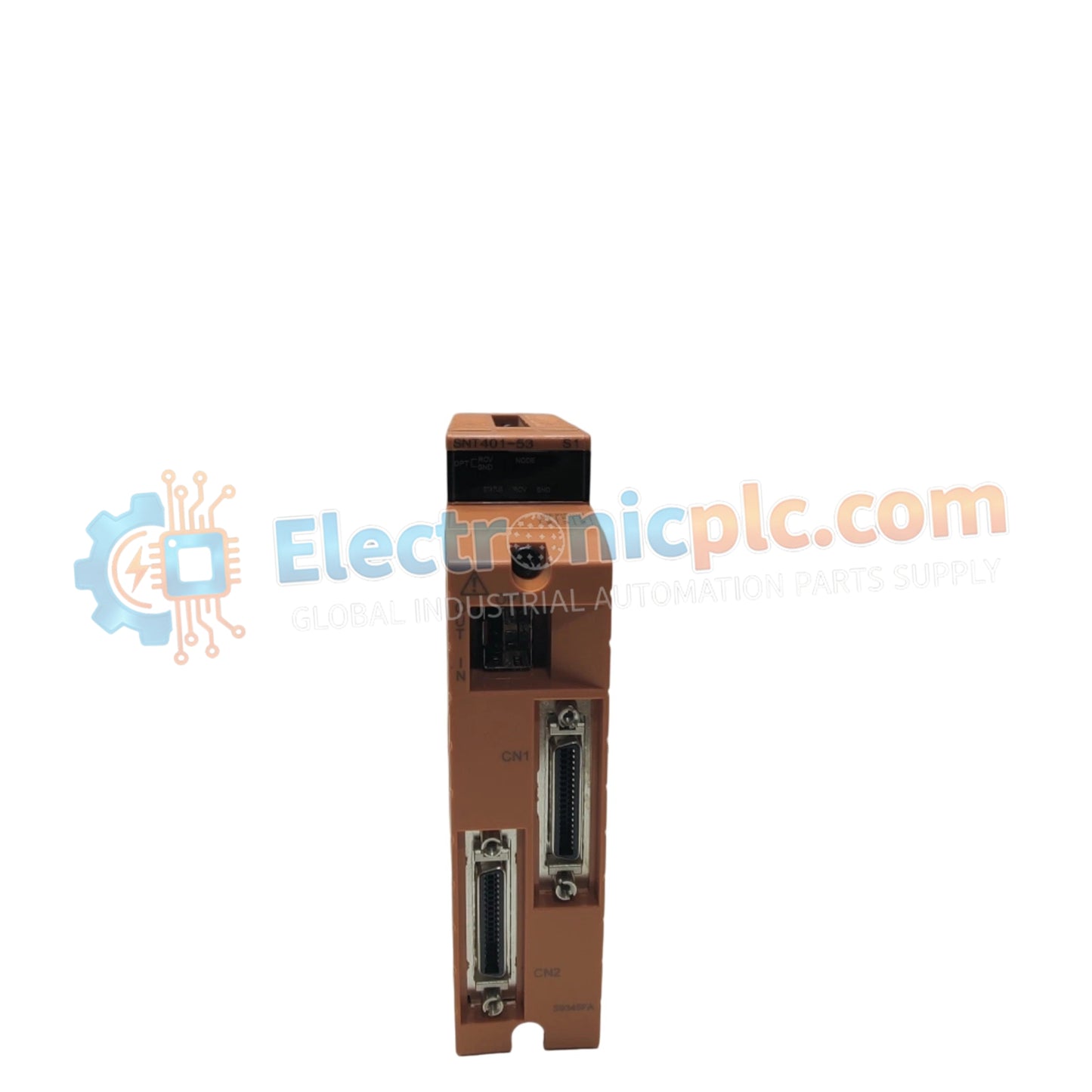
Yokogawa SNT401 Optical ESB Bus Repeater Master Module

Yokogawa SNT401 Optical ESB Bus Repeater Master Module

Configured for high-speed optical signal transmission in CENTUM VP control networks, the Yokogawa SNT401 (SNT401 Optical ESB Bus Repeater Master Module) provides direct physical/electrical execution of ESB bus data conversion...

23 people are viewing this right now

AvailabilityIn stock

SKU: SNT401
Vendor: Yokogawa

Shipping & Returns

Reliable Worldwide Delivery

  • Carriers: Shipped via DHL, FedEx, UPS, or USPS.
  • Dispatch: Orders processed in 1-2 business days and dispatched within 3-5 business days.
  • Tracking: Full tracking details provided via email upon shipment.

30-Day Money-Back Guarantee

  • Guarantee: 30-day return window for in-stock, factory-sealed products.
  • Condition: Items must be unopened, unused, and in original packaging.
  • Authenticity: We guarantee 100% original and authentic hardware.

Need more details? Read our fullShipping PolicyandRefund Policy.

Authenticity & Warranty

  • Genuine Guarantee: We supply only 100% original, brand-new, and factory-sealed industrial automation parts.
  • Full Coverage: Every component is backed by a 12-month comprehensive warranty from the date of purchase.
  • Traceability: All products come with original factory documentation and accessories for full industrial compliance.

Technical Support & Sourcing

  • Expert Assistance: Our technical team provides free consultation to help you verify compatibility for DCS and PLC systems.
  • Rare Part Sourcing: Specializing in obsolete and hard-to-find components from Allen-Bradley, Siemens, ABB, HIMA, and more.
  • Bulk Inquiries: Contact us at pambo@5gplc.com for volume pricing or customized project quotes.
View full product details

Configured for high-speed optical signal transmission in CENTUM VP control networks, the Yokogawa SNT401 (SNT401 Optical ESB Bus Repeater Master Module) provides direct physical/electrical execution of ESB bus data conversion between local and remote nodes.

Hardware Specifications

Parameter Specification
Model SNT401
Brand Yokogawa
Origin Japan
Weight 0.3 kg
Dimensions 2.2 cm x 12.4 cm x 12.6 cm
Operating Temp 5 deg C to 40 deg C
Power Consumption 0.5 A (typical at 24 VDC)
Bus Type Optical ESB Bus
Communication Speed 128 Mbps

Signal Integrity and Channel-to-Channel Isolation

The SNT401 module implements high-speed optical conversion to facilitate extended distance communication within the CENTUM VP architecture. The module utilizes internal isolation techniques to maintain signal integrity against electromagnetic interference (EMI) prevalent in industrial environments. Signal path protection is achieved through rigorous channel-to-channel isolation protocols, preventing ground loops and cross-talk between the primary ESB bus and the remote optical links. The unit ensures deterministic data throughput for real-time process control synchronization.

Frequently Asked Questions

Q: Does the SNT401 module support hot-swapping during active operation?

A: No. The SNT401 must be powered down and disconnected from the ESB bus backplane before extraction to prevent potential electrical surges or bus communication disruption.

Q: What is the maximum fiber optic cable length supported for the SNT401?

A: The operational limit is defined by the transceiver optics, typically up to 5 km depending on the fiber quality and attenuation specifications of the installed plant-wide cabling infrastructure.

Field Installation Guidelines

  1. Ensure the module is installed in a clean, non-corrosive environment compliant with the specified operating temperature range.
  2. Verify that the ESB bus backplane is de-energized before inserting the SNT401 module into the designated slot.
  3. Align the module housing carefully with the rail guides to prevent pin damage during insertion; tighten the retaining screws to ensure proper grounding contact with the chassis.
  4. When connecting optical cables, ensure the connectors are clean and free of dust to maintain signal attenuation within manufacturer limits.
  5. Route optical fiber cables with a minimum bend radius of 10 times the cable diameter to prevent micro-cracks and signal degradation.
  6. Verify that the module status LED indicates nominal operational state post-power-up before initiating communication with the remote node.