Skip to product information
1 of 3

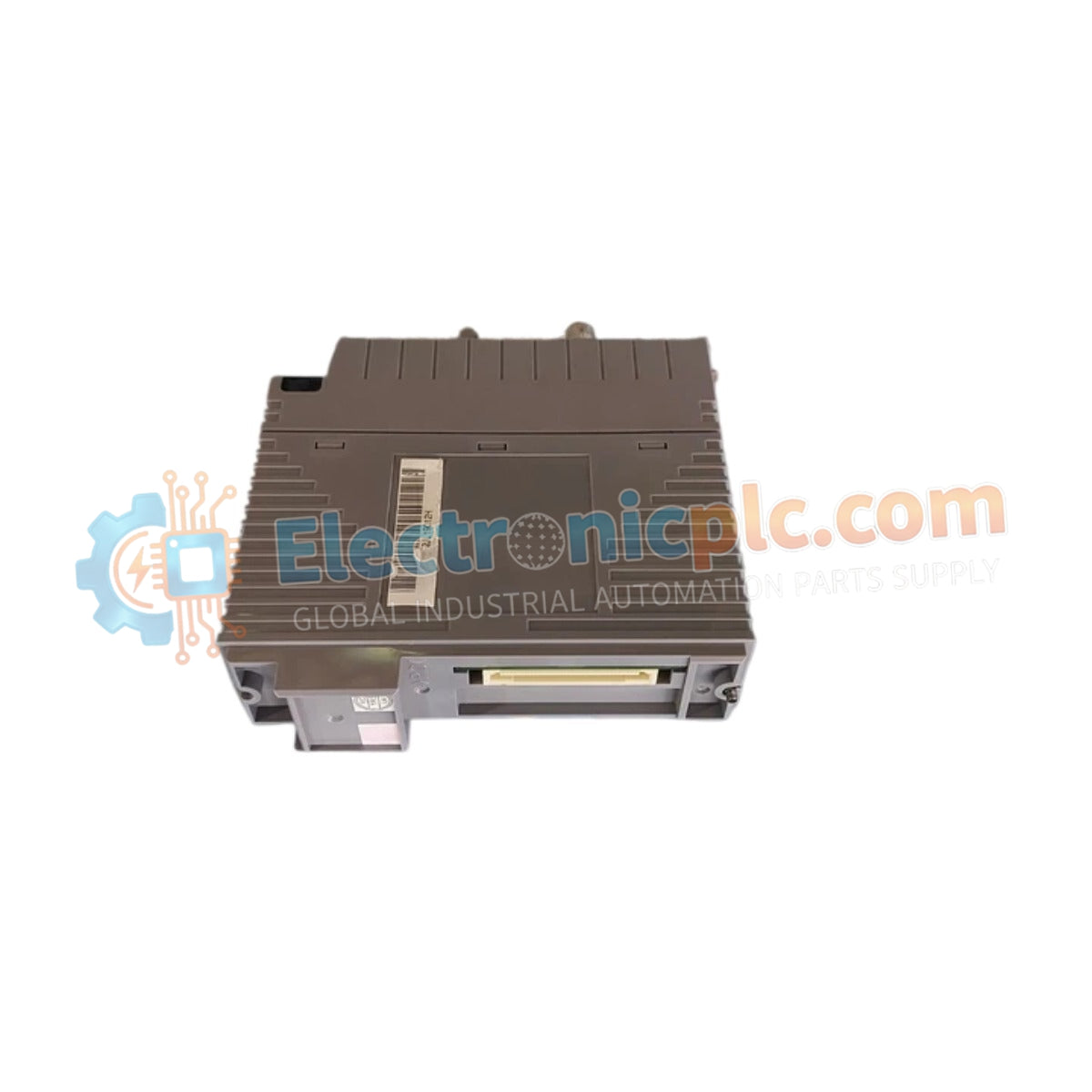
YOKOGAWA VC401-11 V Net Coupler Module

YOKOGAWA VC401-11 V Net Coupler Module

Configured for high-speed network bridge communication in DCS architecture, the YOKOGAWA VC401-11 (VC401-11 V Net Coupler Module) provides direct physical/electrical execution for control bus synchronization.

Hardware Specifications

...
24 people are viewing this right now

AvailabilityIn stock

SKU: VC401-11
Vendor: Yokogawa
Related Series:

Shipping & Returns

Reliable Worldwide Delivery

  • Carriers: Shipped via DHL, FedEx, UPS, or USPS.
  • Dispatch: Orders processed in 1-2 business days and dispatched within 3-5 business days.
  • Tracking: Full tracking details provided via email upon shipment.

30-Day Money-Back Guarantee

  • Guarantee: 30-day return window for in-stock, factory-sealed products.
  • Condition: Items must be unopened, unused, and in original packaging.
  • Authenticity: We guarantee 100% original and authentic hardware.

Need more details? Read our fullShipping PolicyandRefund Policy.

Authenticity & Warranty

  • Genuine Guarantee: We supply only 100% original, brand-new, and factory-sealed industrial automation parts.
  • Full Coverage: Every component is backed by a 12-month comprehensive warranty from the date of purchase.
  • Traceability: All products come with original factory documentation and accessories for full industrial compliance.

Technical Support & Sourcing

  • Expert Assistance: Our technical team provides free consultation to help you verify compatibility for DCS and PLC systems.
  • Rare Part Sourcing: Specializing in obsolete and hard-to-find components from Allen-Bradley, Siemens, ABB, HIMA, and more.
  • Bulk Inquiries: Contact us at pambo@5gplc.com for volume pricing or customized project quotes.
View full product details

Configured for high-speed network bridge communication in DCS architecture, the YOKOGAWA VC401-11 (VC401-11 V Net Coupler Module) provides direct physical/electrical execution for control bus synchronization.

Hardware Specifications

Parameter Specification
Model VC401-11
Brand YOKOGAWA
Origin JAPAN
Weight 0.56 kg
Dimensions 6.5 cm x 14.1 cm x 13 cm
Operating Temp 5 to 40 deg C
Power Consumption 12.0 W (typical)
Interface V Net dual-redundant bus

Process Control Signal Integration

The module facilitates transparent data exchange across the V Net control network, ensuring timing determinism for distributed control operations. By implementing native support for YOKOGAWA V Net protocols, the VC401-11 maintains strict node-to-node communication integrity. The circuitry utilizes dedicated bus controller logic to manage packet prioritization, effectively mitigating network congestion within multi-layered control hierarchies. Enhanced channel-to-channel isolation features safeguard the local processor against ground-loop potentials often introduced through extended network cabling, while cold junction compensation (CJC) logic is integrated for auxiliary temperature-sensitive instrumentation monitoring.

Frequently Asked Questions

Q: Does the VC401-11 module support hot-swap replacement within an active V Net system?

A: Yes, the module is engineered for hot-swapping. Ensure the system is configured for redundant operation to prevent communication loss during the replacement interval.

Q: How is the module synchronized with the primary network clock?

A: The module automatically executes synchronization protocols upon boot-up by polling the designated network master node to align internal communication timers.

Field Installation Guidelines

  1. Confirm that the rack slot is configured for the VC401 series prior to module insertion to prevent potential bus short-circuiting.
  2. Ensure that redundant cable pairs are connected to the primary and secondary ports respectively to maintain network fault tolerance.
  3. Verify that the module locking latch is fully engaged to ensure secure physical contact with the backplane bus interface.
  4. Utilize shielded network cabling for all external connections, ensuring the cable shield is grounded at the designated cabinet entry point to suppress electromagnetic noise.
  5. Avoid routing communication cables in close proximity to high-current power cables to prevent crosstalk and data packet corruption.