
My Cart
0 items
Genuine Automation Parts | Worldwide Express Delivery | 12-Month Warranty — [GET A QUOTE]

Configured for high-speed signal interconnection between network nodes, the YOKOGAWA YCB301-C500 (YCB301 ESB Bus Cable) provides direct physical electrical execution for data transit within CENTUM VP control architectures. This cable assembly utilizes a...
Availability: In stock
Reliable Worldwide Delivery
30-Day Money-Back Guarantee
Need more details? Read our fullShipping PolicyandRefund Policy.
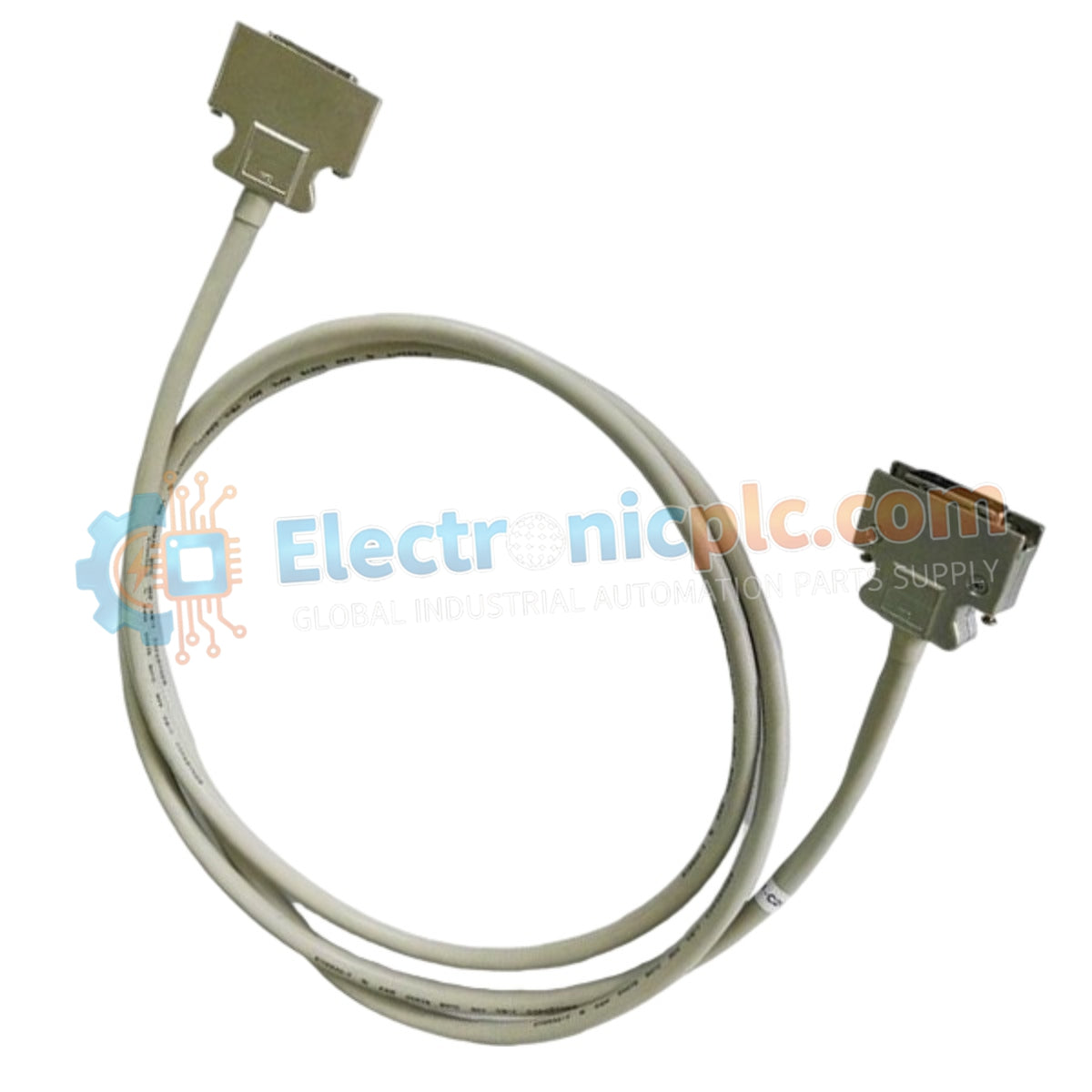
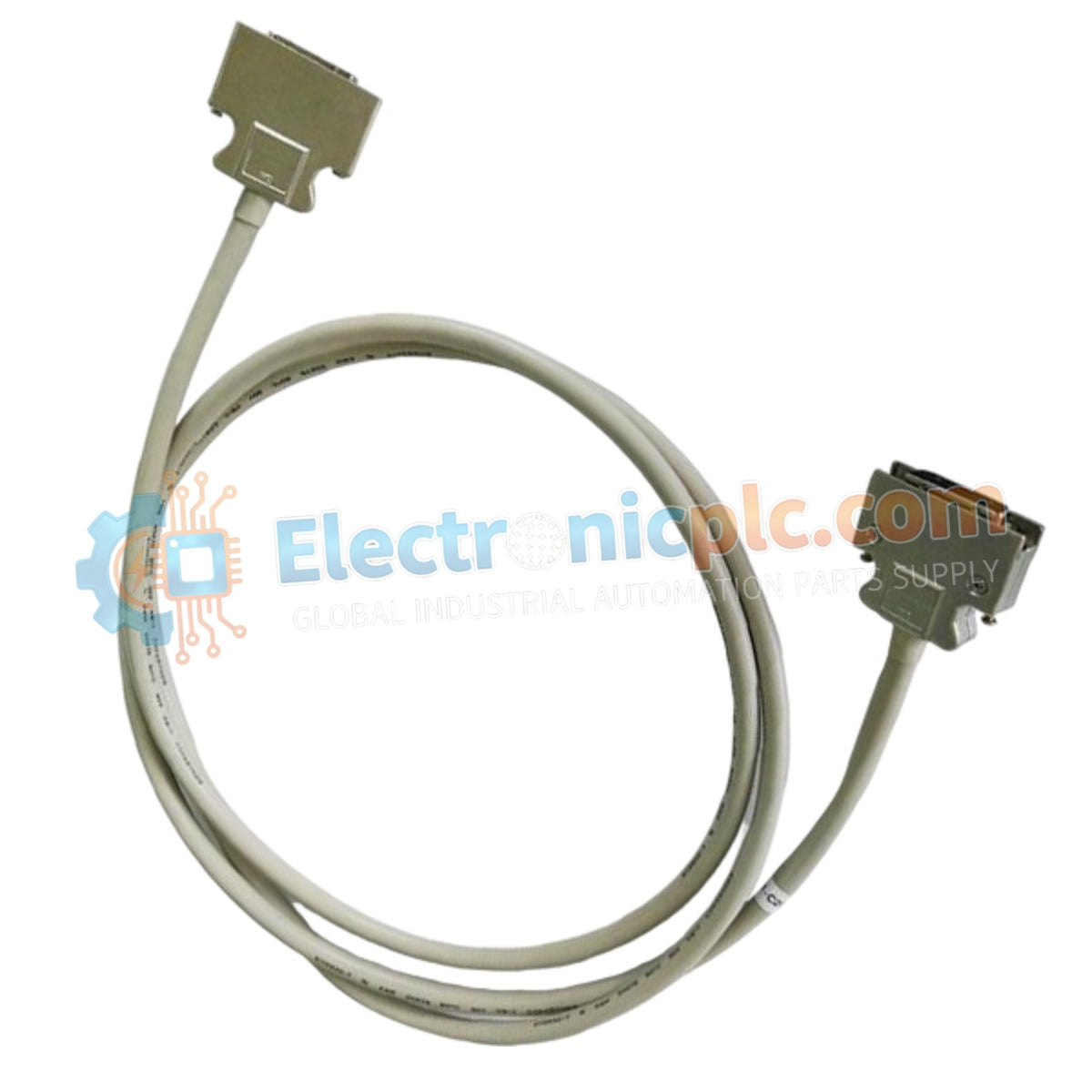
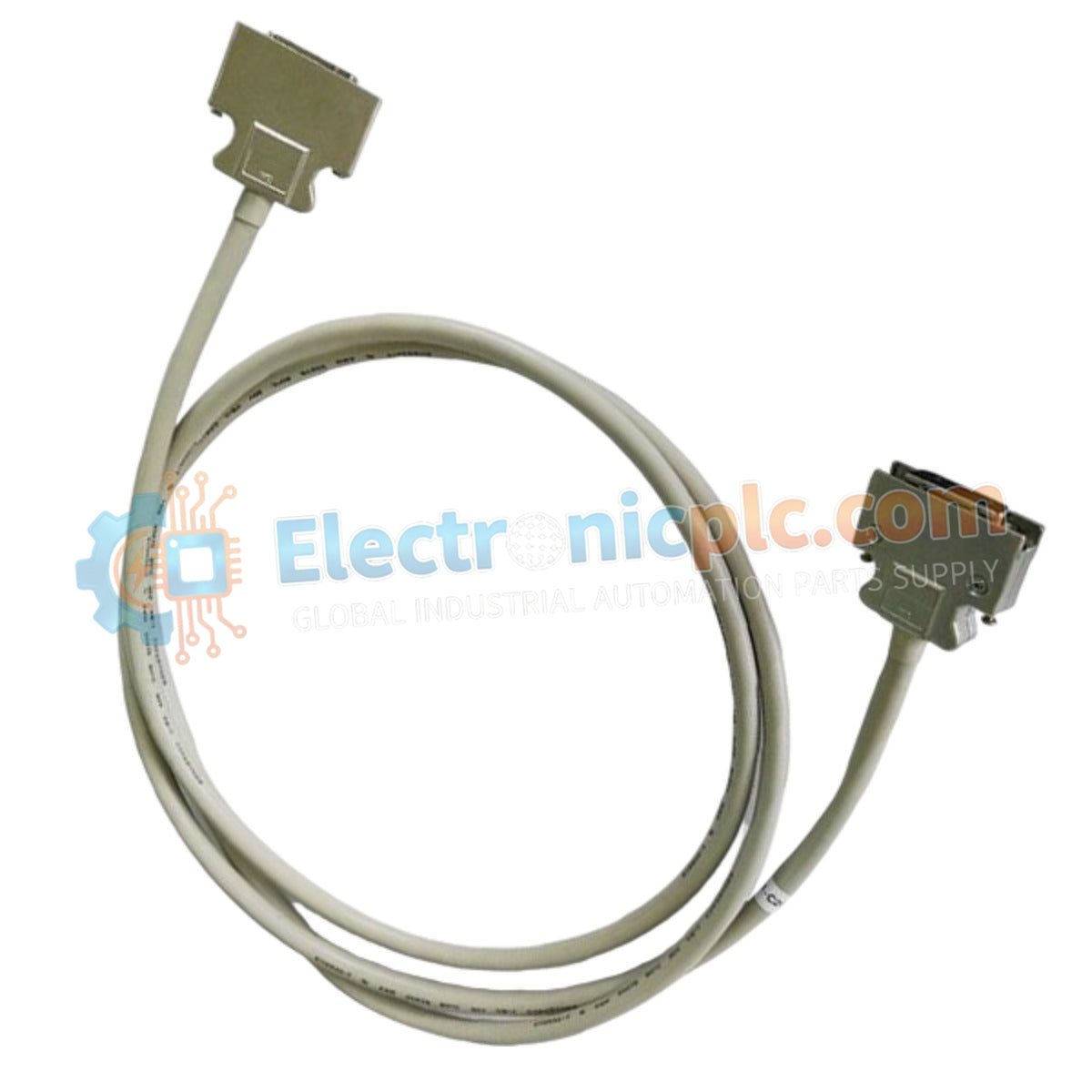
Configured for high-speed signal interconnection between network nodes, the YOKOGAWA YCB301-C500 (YCB301 ESB Bus Cable) provides direct physical electrical execution for data transit within CENTUM VP control architectures. This cable assembly utilizes a 36-pin to 36-pin interface to maintain deterministic communication links across the distributed control system.
| Parameter | Specification |
| Model | YCB301-C500 |
| Brand | YOKOGAWA |
| Origin | Japan |
| Weight | 2.0 kg |
| Dimensions | 2 meters (6.56 feet) |
| Pin Configuration | 36-36 pins |
| Operating Temp | Industrial Standard |
| Cable Type | ESB Bus |
The YCB301-C500 is engineered to facilitate reliable data exchange by maintaining consistent impedance characteristics across the 36-pin interface. This high-density connection supports the propagation of ESB bus signals, ensuring that data timing and signal amplitude remain within the strictly defined parameters required for CENTUM VP fault-tolerant networks. Proper shielding and mechanical construction are integrated into the assembly to mitigate electromagnetic interference (EMI) risks in high-noise industrial cabinet environments.
Q: Is this cable suitable for use in high-vibration areas?
A: Yes, the cable connectors are designed for secure attachment to module backplanes, providing mechanical retention that resists loosening due to industrial vibration profiles. Ensure the connector locking clips are fully engaged upon installation.
Q: Can the 2-meter length be extended by daisy-chaining multiple YCB301 cables?
A: No, the ESB bus architecture dictates strict limitations on cable lengths and signal timing. Extending the bus beyond the design specifications can lead to signal degradation and communication timeouts. Use only the length required for the specific installation.
Inspect both 36-pin connectors for bent or oxidized pins prior to installation. A compromised pin connection can lead to intermittent bus communication errors.
When routing the cable, maintain a minimum bending radius as specified by the cable construction to prevent internal conductor fatigue or shield damage.
Keep the ESB bus cable physically separated from high-voltage power lines and AC motor drive cabling to minimize inductive noise coupling.
Align the connector vertically with the module port and push firmly until the locking mechanism clicks into the engaged position.
Secure the cable to the cabinet framework using zip ties or cable management channels, ensuring that the connector is not under physical tension or strain.


